
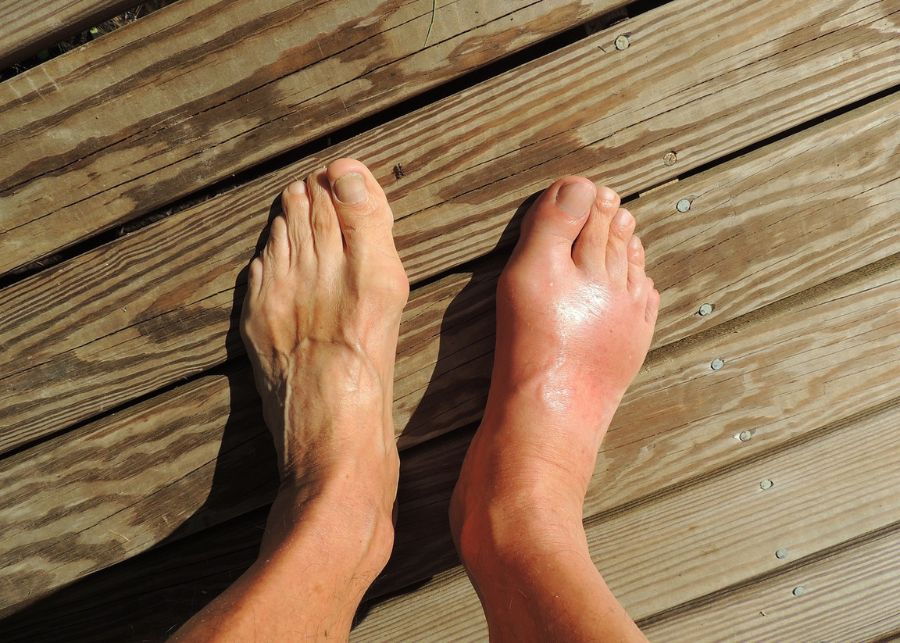
Gout: Causes, Symptoms, and Effective Management Strategies What if it only took 10 seconds each morning to… Well that’s exactly what happened when researchers gave patients 1 tablespoon of this weird “gelatin.” Gout: Everything You Need to Know Have you ever woken up with sudden and intense pain in your big toe or another joint? If so, you may have experienced gout. Today, I will talk about one of the most common types of arthritis, which is gout. Gout is a painful condition that affects millions of people worldwide. In this video, I will review five signs of gout you need to know about, including some lesser known symptoms. Plus, we will dive deep in what can precipitate a gout attack. So let’s get started. Rheumatologist oncall.com I want to share with you a story of one of my patients. One morning, Mr. Colleen called my office for an urgent appointment. He told my assistant that he needed to be seen right away as he was in excruciating pain. He had swelling in his right foot and he could not walk. He could not even stand the sheets over his foot. When he came to my office, Mr. Colling hopped on 1ft. He had a red, swollen, red foot, and he could not even stand to be examined. A few days before he came to me, he attended a party where he drunk some alcohol and ate some shellfish. At this point, I was almost sure I knew what he was experiencing. But watch until the end to find out what happened to Mr. Choline. What is gout? Gout is a very common form of inflammatory arthritis, which is caused by the buildup of uric acid crystals in your joints. It will affect males earlier in lives, but after menopause, females are also affected. Gout is very rare in children. The uric acid crystals can cause inflammation, redness and pain in certain situations. While most patients experience gout in the big toe, some patients will get gout in the hands, in the knees, in the ankles, and even the lower back, like the sacroeliac joints. So not always gout starts in the big toe. You can have one joint affected, or you can have multiple joints at the same time. And you can also have migratory pain, meaning that one joint will hurt this week, and then a few days or weeks after, you will have another joint affected and in another few days, another joint affected. Now let’s talk about five signs of gout that you need to be aware of. Podagra. Podagra refers to the gout that involves a big toe. If you have gout in the big toes, you will experience redness, pain, swelling and intense pain. Most of my patients say that it’s the worst pain in their life, worse than giving birth. Most patients go to bed fine and they wake up in severe pain the following day. The pain may last for several days and can go away on its own, but it can also respond to antiinflammatory medication. Before seeing the doctor. Most patients will try something for pain, which is most often overthecounter antiinflammatory medication like naproxen and ibuprofen. Ankles, knees, elbows, wrist and fingers can all be involved. Most of the time, one joint at a time is affected. But as I mentioned, multiple joints at a time or a migratory type of pain can happen. The joints will be red, swollen and very painful. I cannot emphasize that patients can be tearful due to severe pain. Tofi tofi are small white and yellowish lumps that can develop under your skin. They are caused by the accumulation of these uric acid crystals in your joints, but it can also be a sign of advanced gout. When I have a patient with gout, I always examine the ears, the elbows and hands, as these are the common areas for tofi. Tofi do not hurt, but they can damage your joints. They can open up the skin in the areas where they are located, and they can increase the risk for infections. There are patients with huge TOFI that can cause severe destruction of the joints and can affect the mobility of those joints. Kidney stones. So kidney stones are caused by the buildup of the uric acid crystals in your kidneys. Once the kidney stones are big enough and they start to mobilize, they can cause severe pain on your side or on the back, together with nausea and vomiting. Kidney disease or chronic nephropathy. This is a way to call a kidney disease that is caused by uric acid deposits in the kidneys that will create inflammation and eventually will lead to kidney damage. You must know that gout is often linked to other medical conditions like obesity, high blood pressure and diabetes. Some medications like diuretics or water pills, low dose aspirin medications to decrease your blood pressure, and some chemotherapy drugs can also increase the uric acid and precipitate a gout attack. What happened to Mr. Colin? Mr. Colin was a gentleman that was slightly overweight, and he was often eating in restaurants while he was meeting with his clients. He preferred a beef, a hamburger, and he also had a whiskey every night before dinner. His father also had gout. He was familiar with this disease. After his episode of Gout, we decided to get some labs. And then I started him on treatment, first on steroids, then with a medication that will lower his uric acid. After a few days on steroids, he called back that his swelling is down, his foot was no longer red, and hot and he was able to put weight on that foot. He called me his angel for helping him with that awful pain. In conclusion, gout is a very painful type of arthritis that is caused by the buildup of uric acid crystals in your joints. The five signs
Navigating Ankylosing Spondylitis 1: A Comprehensive Guide
Guide to Ankylosing Spondylitis Management Thanks to Ivy League research that replaces old, tired, worn-out joints without even breaking the skin… Using this weird “jelly” discovered in a tiny remote Japanese village. What is Ankylosing Spondylitis? Causes, Symptoms, and Diagnosis Ankylosing spondylitis is an inflammatory condition that mainly affects the spine, that causes progressive stiffness and pain. It’s part of the seronegative spondyloarthropathy group of conditions that are related to the HLA B 27 gene. And other conditions in this group are things like reactive arthritis and psoriatic arthritis. The key joints that are affected in anklosing spondylitis are the sacro iliac joints and the joints of the vertebral column. And the inflammation causes pain and stiffness in these joints, and it can progress to fusion of the joints. So fusion of the spinal column and the sacraliac joints fusion of the spine leads to the classical finding on the x ray of a bamboo spine. And this is something that will often appear in your medical exams. There’s a strong link with the HLA B 27 gene, and around 90% of patients who have ankylosing spondylitis will have this HLAB 27 gene. However, only around 2% of people who have the gene will develop ankylosing spondylitis. This number goes up to around 20% if they have a first degree relative that’s affected. So if you have a first degree relative and the HlAB 27 gene, there’s around a 20% chance of developing the condition. So how do these patients present the typical presentation, especially in your exams, is a young adult male in their late teens, or affects males about three times more often than females, and symptoms usually develop gradually over more than three months. The main presenting features are low back pain and stiffness and sacroileac pain, which occurs in the buttock region. The pain and stiffness is worse with rest and it improves with movement. And the pain is worse at night and in the morning, and it may even wake them up from sleep in the early hours of the morning. And when you take a history, the patient will describe how it takes at least 30 minutes for the stiffness to improve in the morning, and then that stiffness seems to get progressively better throughout the day as they do more and more activities. The symptoms can fluctuate with periods of flares of worsening symptoms and other periods where the symptoms seem to improve. One of the key complications of anklosing spondylitis is vertebral fractures. So what associations are there between ankylosing spondylitis and other affected areas in the body? An ankylosing spondylitis doesn’t just affect the spine, it can affect other organ systems and cause things like systemic symptoms such as weight loss and fatigue. It can present with chest pain related to the costovertebral joints and the costosternal joints. Enthusitis is inflammation of the enthuses, and this is where the tendons or the ligaments insert into the bone. This can cause problems like plantar fasciitis and achilles tendonitis. Dactylitis is a condition where there’s inflammation of an entire finger or toe. It can cause anemia, anterior uvitis, aortitis, which is inflammation of the aorta or the large blood vessel coming out of the heart. It can cause heart block when there’s fibrosis of the heart’s conduction system. Restrictive lung disease can be caused by restricted movement in the chest wall, and ankylosing spondylitis can also be associated with pulmonary fibrosis, particularly at the upper lobes of the lungs, and this occurs in about 1% of patients. Another condition that’s also associated with ankylosing spondylitis is inflammatory bowel disease. There’s a test called Shoba’s test, which you’re expected to know about in medical school, and this is a test that’s used as part of a general examination of the spine to assess how much mobility there is, particularly in the lumbar spine. You might be asked to do this in your OSCi examinations. So how do you do it? Well, you have the patient stand straight. You find approximately where their l five vertebra is, and then you mark a point 10 cm above the l five vertebra and 5 cm below, so the points are 15 cm apart. Then you ask the patient to bend forward as far as they can, and you measure the distance between the two points. If the distance between them when they’re bending forwards is less than 20, indicates there’s a restriction in the lumbar movement, and it would help to support a diagnosis of ankylosing spondylitis. What investigations can you do? Well, you can start with some basic inflammatory markers like CRP and ESR. They might go up with increased disease activity. You can send off a genetic test to look for the hlab 27 gene. You can do x rays of the spine and the sacrum. And if the x rays are normal, an MRI of the spine can show early changes and this shows up as bone marrow edema in the vertebral bodies. And this is something that will appear before there’s any changes on the x ray. So what x ray changes do you get? Well, this bamboo spine is the typical exam description of the x ray appearance of the spine in later stages of anklosing spondylitis. And it’s worth remembering this term in case it appears in your MCQ exams. Xray images and anklosing spondylitis can show squaring of the vertebral bodies. Subcondrial sclerosis and subcondrial erosions. Syndesmophytes, which are areas of bone growth where the ligament normally inserts into the bone. And this occurs relating to the ligaments that support the intervertebral joints. So where the ligaments insert into the vertebra to hold the vertebra together, you can get these developments of bony growth called syndesmophytes. Ossification can occur in the ligaments, the discs and the joints, and this is where the structures like the ligaments starts to turn into bone like tissue. And you can get fusion of
Osteoporosis Unraveled: Causes, Symptoms, and Effective Solutions
Osteoporosis : Causes, Symptoms, and Effective Solutions New Harvard research shows adding 1 teaspoon of this to your water each morning can: It’s super effective and easy to do…And you can do it from the comfort of your own home. What is Osteoporosis and What You Need to Know Osteoporosis is a bone disease that causes more than 8.9 million broken bones worldwide, across men and women, every year, resulting in an osteoporotic bone break every 3 seconds. Osteoporosis is a medical condition that weakens bones and makes them more likely to break. They can become so fragile that in serious cases, a strong sneeze or minor bumps can cause them to break. Wondering why you haven’t heard more about osteoporosis? Well, one reason could be that it is known as a silent disease because you can’t see or feel bone loss, so it goes unnoticed until the first bone break occurs. Both men and women are at risk of osteoporosis. Postmenopausal women are at a higher risk after an initial fracture. These women are five times more likely to suffer another bone break within a year. The World Health Organization, who has considered osteoporosis to be of increasing importance, many women remain untreated within six months after an osteoporosis related fracture. It’s important to be aware of the risk factors associated with osteoporosis in order to understand if you could be affected. Here are a few to consider. Previous bone break as an adult advanced age low bone mineral density parental history of hip fracture low body weight smoking. You’ve likely heard that vitamin D, calcium, and weight bearing exercise can help keep bones healthy. It’s true. But for people with osteoporosis, it may not be enough to protect against a fracture. Osteoporosis and broken bones are not a normal part of aging. If you are a postmenopausal woman, you may be at risk for osteoporosis. It’s important to talk to your doctor about a bone health plan. What are the common risk factors and pathophysiology associated with osteoporosis? What is the common complications associated with osteoporosis? And then finally, very briefly, we’ll look at how is it diagnosed? How is it treated? So osteoporosis is a term, it’s a compound word where osteo refers to bone porosis, pores. Simply, it just means our bones become weakened. Let’s have a quick look at this particular diagram. It’s a typical bone, and with all bones, they have an outer covering. This outer covering is known as compact bone. This compact bone is very dense bone tissue, which means it’s strong, provides structural integrity, but most importantly, it stops compressive forces. Now, deeper to compact bone, which you can see in red, is spongy bone. This is less dense. It has almost these little holes all the way through it, which makes it look like a sponge. And this is why it’s called spongy bone. But this tissue also allows for flexibility and strength, but without the weight associated, or as we found with a compact bone. Now, when we look at bone, I kind of think of it like a brick house. We kind of think it’s made, it’s there, it’s providing the support. It doesn’t do much else, but in fact, it’s a very dynamic tissue, which means it’s constantly being turned over. This term is known as remodeling. And actually, this bone would probably remodel between four to ten years. So the whole thing is reabsorbed and added back between four to ten years. This is known as remodeling, which is a balancing act between taking bone away, which we call bone resorption, and adding new bone. Now, the cells that take bone away is they’re known as osteoclasts. Now, these are kind of like macrophages that take, that eat away and take bone or reabsorb bone, whereas bone cells that add new bone are known as osteoblasts. So it’s a balancing act between these two to keep this bone remodeling process going. Now, in our early ages of life, so child adolescence, the actual osteoblasts win. So we see more bone being formed, which actually leads to the bone mass or our bone mass being peaked. So we call this peak bone mass at the ages of about 20 to 29 years. So that means we have the strongest bones in this age. So after this age, peak bone max starts to drop off, and we actually see approximately zero, 7% drop in away each year. That means the osteoclasts become more active after the 29 years in comparison to the osteoblasts. So what kind of things in the early phases allow the osteoblast to be more active? Well, probably the most important one are hormones. So the hormones that we see that have the greatest effect on osteoblast activity would be oestrogens, more dominant in females, testosterone more so in males, and growth hormone for both. So these hormones, which are higher in these periods, would allow this cell to be more active in that phase. Other things is diet, specifically calcium. So calcium, high amounts of calcium will activate greater activity for the osteoblasts. And remember, vitamin D increases calcium. So those two kind of go hand in hand. So diet is also important for that peak bone mass. Other things that are important is physical activity, specifically loading physical activities, like putting your bones under stress, like resistance training. So this is an important physical activity to generate the osteoblast activity. Now, these things feed into the peak bone mass. So if we don’t have these things working or it’s slightly reduced, we actually see we have a lower peak bone mass, which then would predispose someone to osteoporosis. Now, with the peak bone mass, because of the hormonal difference, males will have slightly higher peak bone mass than females. So that’s important to know why females will be at higher risk of osteoporosis. It’s actually at five to one. So five females
Essential Guide to Osteomyelitis: Symptoms, Treatment Options, and Recovery Roadmap
Essential Guide to Osteomyelitis Folks are ending DECADES of agonizing joint pain after just a few days of trying it… Thanks to Ivy League research that replaces old, tired, worn-out joints without even breaking the skin… Using this weird “jelly” discovered in a tiny remote Japanese village. Think it could work for you? Test it out for yourself here: Osteomyelitis – Causes, Symptoms, Diagnosis & Treatment The word osteomyelitis can be broken down. Osteo refers to bones. Myel stands for myelo and relates to the bone marrow. And lastly, itis refers to inflammation. So osteomyelitis is an inflammation of the bone or bone marrow, and it typically results from an infection. Normally, if we look at a cross section of a bone, we can see that it has a hard external layer known as the cortical bone, and a softer internal layer of spongy bone that looks like honeycombs. There’s also another layer called the periosteum that covers the cortical bone like the lamination of a basketball card. And that’s where the muscles, tendons, and ligaments are attached. If we zoom into a cross section of cortical bone, we can see that it has many pipelike structures called osteons running through the length of the bone. Each pipe has an empty center called a herrsion canal, which contains the nerves and blood vessels that supply the osteon. At the outer border of the osteon is a ring of cells called osteoblasts, which synthesize bone. Along with these cells are osteoclasts that break down bone. In bones like the long femur, the tips are called the epiphysis, while the shaft is called the diaphysis. Between them, we have the metaphysis, which contains the growth plate, the part of the bone that grows during childhood. In osteomyelitis, microorganisms such as bacteria reach the bone to cause an infection in a few different ways. Bacteria particularly affect certain high risk individuals, like those with a weak immune system and those with poor blood circulation due to uncontrolled diabetes. In fact, a major way that bacteria reach the bone is through the bloodstream, and that’s called hematogenous spread. For example, this might happen in a person who uses contaminated needles to inject drugs or in individuals undergoing hemodialysis that may be contaminated by a bacteria or even through the dental extraction of an infected tooth. Through the bloodstream, the microorganisms may reach specific places in the body, and this mostly depends on the age of the person. In older adults, for example, the microorganisms may reach the vertebrae and cause vertebral osteomyelitis. This usually affects two adjacent vertebrae and the intervertebral disc between them. In children, the metaphysis of long bones like the femur is commonly affected. The second way that bacteria cause osteomyelitis is through trauma. For example, in an open fracture after an accident, the bone may get exposed to the outside environment and come into direct contact with bacteria. A third way is during surgery when there’s bacteria that’s introduced into the bone. A fourth way is when an infection spreads from one area like cellulitis, which is an infection of the dermis layer of the skin, to an adjacent area like the bone, and this is known as contiguous spread. There can also be combinations of these, for example, when a prosthetic joint becomes contaminated with bacteria during surgery, and then that bacteria contiguously spread to nearby bone. Another example is when people with diabetes mellitus develop a severe vascular compromise. A small trauma to the foot can lead to the formation of a foot ulcer, which then becomes infected and spreads to the nearby bone. Now, once the bacteria reach the bone by any of these roots, they start to proliferate. This alerts nearby immune cells, specifically dendritic cells and macrophages that try to fight off the infection. This represents the acute phase of the disease and occurs over a course of weeks. The immune cells release chemicals and enzymes that break down bone and cause local destruction. Usually, acute osteomyelitis comes to a resolution, meaning that the immune system eventually destroys all of the invading bacteria. If the lesion is not that extensive and there’s viable bone, the osteoblasts and the osteoclasts begin to repair the damage over a period of weeks. However, in some cases, the process turns into chronic osteomyelitis, lasting months to years. In that situation, the affected bone sometimes becomes necrotic and separates from the healthy part of the bone, and that’s called a sequesterum. At the same time, the osteoblasts that originate from the periosteum may form new bone that wraps the sequesterum in place. This is called an involve. Occasionally in both acute and chronic osteomyelitis, the inflammation may involve the periosteum. The periosteum is loosely attached to the compact bone, especially in children, so the two layers can separate and allow an abscess to form between them. That sort of an abscess tracks along the periosteum, lifting it up away from the compact bone. The infection can also spread further to involve a nearby joint, particularly the knee or hip joint, in young children, as well as overlaying muscle skin and even get into the blood vessels, causing thromboflabitis. Many microorganisms cause osteomyelitis, but the most common is Staphylococcus aureus, a grape looking bacteria that lives on the skin. It can invade the skin and spread contiguously to the bone, or it can reach the bone through the bloodstream. Another one is salmonella, a rod shaped bacteria that particularly affects individuals with sickle cell disease. Unfortunately, individuals with sickle cell disease are therefore at risk of getting both Staphylococcus aureus as well as Salmonella infections. Another pathogen is Pasteurella multicyda, a pill shaped bacteria. It usually spreads from the skin to the bone from a bite or scratch from a cat or dog. Now, acute osteomyelitis typically causes pain at the site of infection as well as fevers. Depending on the location, it may affect use of the bone. In
Unlocking the Secrets of Osteoarthritis: Symptoms, Causes, and Remedies
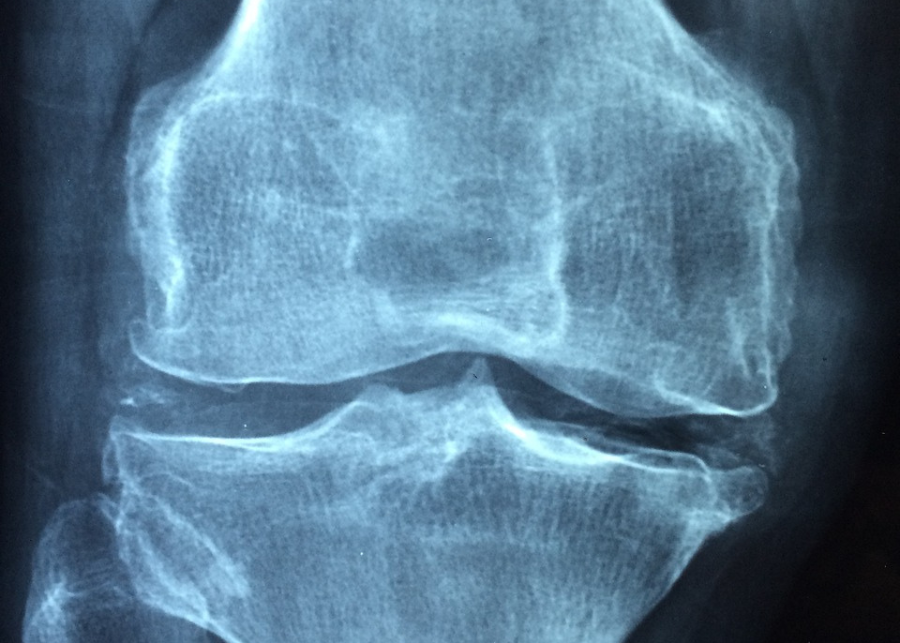
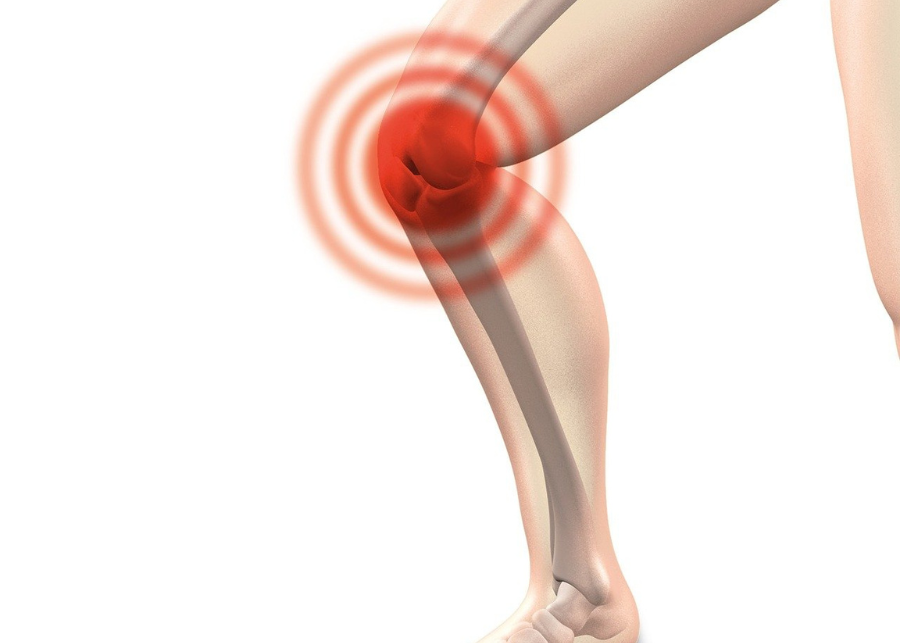
Osteoarthritis: Symptoms, Causes, and Remedies Understanding Osteoarthritis Osteoarthritis is often described as wear and tear in the joints. It’s not an inflammatory condition like rheumatoid arthritis, and it occurs in the synovial joints, and it’s a combination of genetic factors, overuse and injury to the joint. Risk factors for osteoarthritis include obesity, increased age, occupation, particularly occupations where there’s a high usage of particular joints, trauma to the joint being female, and also a family history of osteoarthritis, it’s thought to be the result of an imbalance between the cartilage being worn down and the chondrocytes repairing that cartilage, and this leads to structural issues within the joint that causes more wear and tear and pain. These abnormalities can be seen on an x ray, and the key mnemonic for remembering the four key x ray changes in osteoarthritis is loss loss. So l stands for loss of joint space. So the joint space in the joint becomes narrower and the bones come closer to each other. O is for osteophytes and osteophytes are little spurs of bone that come out of either end at the joint. The first s is for subarticular sclerosis, and this is increased density of the bone along the joint line where the bones come in contact with each other and the second s is for subcondrial cysts, and these are small fluid fill holes in the bone along the joint line. Xray changes do not necessarily correlate with the symptoms, so you might find significant xray changes. Incidentally, in someone who doesn’t have symptoms. Equally, someone with severe symptoms of osteoarthritis might only have mild x ray changes. So how does it present? Osteoarthritis presents with joint pain and stiffness. This pain and stiffness tends to be worsened by activity. In contrast to inflammatory arthritis, where activity tends to improve the symptoms, it leads to deformity of the joints, instability of the joints, and reduced function in the joints. So which joints are commonly affected? Well, the knees and the hips are key joints that often get affected with osteoarthritis. It can also affect the sacro iliac joints where the spinal column meets the pelvis. It typically affects the distal interphalangeal joints of the hands, the dips at the ends of the fingers, the carpometicarpal joint at the base of the thumb, or the CMC joint at the base of the thumb, the wrist, and then the cervical spine, which we often call cervical spondylosis. Let’s talk about some of the signs that you might see when you examine the hands of somebody who has osteoarthritis. The first is Haberdon’s nodes, and these occur in the dip joints or the distal interphalangeal joints of the hands at the end of the fingers. The next is Bouchard’s nodes, which are seen in the proximal interphalangeal joints of the fingers. So this is the second joint. From the end of the finger, you can see squaring at the base of the thumb, and this is at the carpometacarpal joint or the CMC joint. There might be a weak or reduced grip and also a reduced range of motion in the fingers. The carpometacarpal joint at the base of the thumb is a saddle joint with the metacarpal bone of the thumb sat on the trapezius bone, using it like a saddle, and it gets a lot of use from day to day activities. And this makes it very prone to wear and tear when it’s used for complex movements. And this is why the carpimetacarpal joint is a key joint that suffers with osteoarthritis in people that use their hands a lot. Let’s talk about diagnosis. Well, the nice guidelines from 2014 suggest that a diagnosis can be made without investigations if the patient’s over 45, if they have typical activity related pain, and they don’t have any morning stiffness or stiffness lasting less than 30 minutes. If they have stiffness in the morning that lasts more than 30 minutes, you need to think about more of an inflammatory cause. X rays can be helpful for checking the severity and confirming the diagnosis, but they’re not always necessary if the presentation is typical. Finally, let’s talk about management. It’s important to start with patient education about the condition and advise them on lifestyle changes like losing weight if they’re overweight, and this helps reduce the load on the joint. Physiotherapy to improve the strength and support of the joints. And also, occupational therapy can be helpful in terms of how to maximize the function of the remaining joint. And orthotics can be used to help support activities and function as well. We can use a stepwise approach to analgesia to help control the symptoms. The first line would be starting with oral paracetamol and a topical nonsteroidal antiinflammatory like topical ibuprofen or topical diclophenic. You can also use topical capsaicin, which is chili pepper extract that causes a warmth around the joint and helps to improve symptoms. The second step is to add oral nonsteroidal antiinflammatory medications like ibuprofen or naproxen. And also consider prescribing a proton pump inhibitor to protect their stomach, such as a meprazole, whilst they’re using the nsaids. It’s better to use nsaids intermittently rather than continuously because of the risk of affecting the stomach lining, affecting the kidneys and so on. Third line you may consider opiate medication like codeine and morphine. However, these should be used very cautiously as they have significant side effects and patients also develop dependence and withdrawal. They also don’t work for chronic pain because they’re useful for a couple of weeks and then they stop having an analgesic effect and the patient becomes dependent on them without actually getting any benefit. The two final things to talk about is intraarticular steroid injections, which can provide temporary reduction in inflammation and improve the symptoms, and the other is joint replacement which can be used in severe cases and the hips and the knees are the
Conquering Rheumatoid Arthritis: Strategies for Pain Management and Improved Mobility
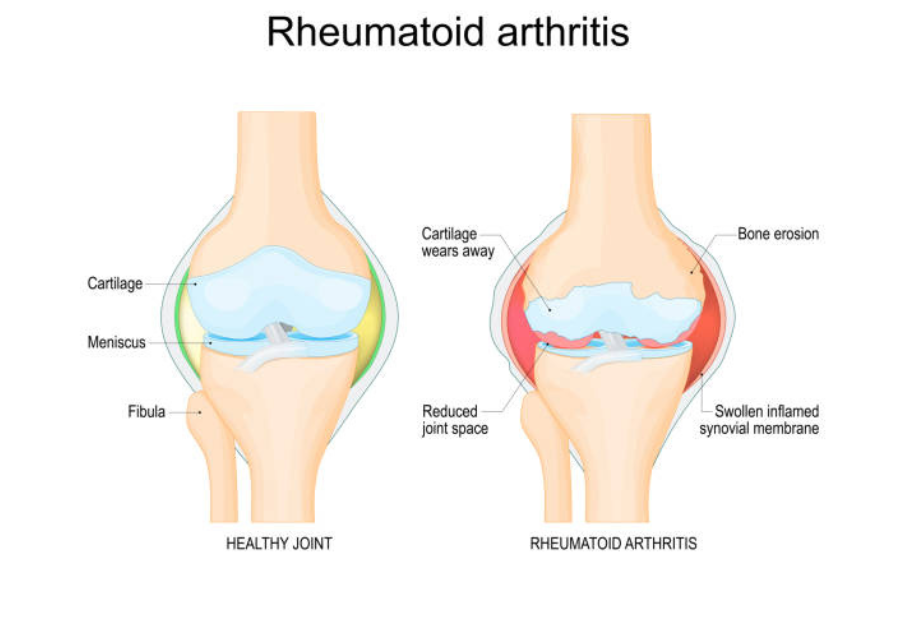
Rheumatoid Arthritis: A Comprehensive Guide Rheumatoid Arthritis Pathophysiology – Signs and Symptoms At rheumatoid arthritis, which is a systemic rheumatological disorder affecting multiple joints. The clinical presentation of rheumatoid arthritis is arthritis, which is symmetrical. We have pain, swelling, as well as nodules around the area. Hand involvement is early in the disease and affects the metacarpophalangeal and proximal interfalangeal joints. In rheumatoid arthritis, there’s also extraarticular involvement, which we will look at later on. But first, let us look at the hand involvement in rheumatoid arthritis and see how it differs to osteoarthritis. So here is rheumatoid arthritis and osteoarthritis. So in osteoarthritis, the joints affected are the distal interflangeal joints, as well as approximal interflangeal joints, whereas in rheumatoid arthritis, it is approximal interflangeal joints and the metacarpophalangeal joints as well. You can have other joint involvements, such as the wrist. So these joints are affected early in the disease. In rheumatoid arthritis, but as the disease progresses, you can have other features occurring in the hands. These are swan neck, butonier, or z deformity of the thumb. So in Swannick, what you have is you have the distal interflangeal joints flexed, but the proximal interflangeal joints hyperextended. In boutonniere, it’s the opposite. You have the distal interflangeal joints hyperextended and the proximal interflangial joints flexed. The z deformity of the thumb is essentially the thumb looking like a z. It’s sort of bent, hyperextended in the hands. The hands can also deviate medially. This is referred to as ulna deviation. So they were the features of the hands in rheumatoid arthritis. Let us actually look at what happens inside the joints. So let us zoom into a finger here, and just to recap the anatomy, here we have the bone, the joint capsule, the synovial membrane, also known as a synovium. The synovial membrane, also known as a synovium, which produces the synovial fluid, which helps in lubrication as well as supplying nutrients to the area. Then we have the cartilage here in blue. In rheumatoid arthritis, you essentially have inflammation of the synovium of the synovial membrane. You have sinovitis, and this causes pain and swelling, which occurs in rheumatoid arthritis. This also leads to bone and cartilage erosion, breakdown. Another feature we can see in the joints of rheumatoid arthritic patients is angiogenesis. So that was the macroscopic view of the joint. Just an overview. Let’s look at it in a lot more detail at a cellular level. Let us zoom into this area and see what cells are involved. So just to show where we are, here we have the bone, the synovium. Here is the fluid. Here in yellow and blue is the cartilage. And again, I’m drawing the synovium really big because it is inflamed. Right. The synovial membrane. Now, the synovial membrane is made up of these cells, known as fibroblast like synoviocytes. And these guys are very important in the pathogenesis of rheumatoid arthritis. So, again, rheumatoid arthritis is where we have inflammation of the synovial membrane of the synovium. Now, the exact trigger of the inflammation of the disease is really not quite known. However, we are now looking at what cells we can find here and what cells are involved. So we have macrophages here, and they’re normally around here as well, but they essentially begin secreting cytokines, such as tnf alpha, interleukin one, and interleukin six, which, of course, leads to inflammation. These cytokines also stimulate the fibroblast like synoviocytes. When the fibroblast like synoviocytes are stimulated, they essentially become activated, and then they begin to proliferate. At the same time, they also begin assisting in rank l expression, stimulating the rank l expression, which, together with the cytokines here, will stimulate osteoclast activity, which will lead to bone erosion. What we find in rheumatoid arthritis, when the fibroblast like synoviocytes are stimulated and proliferate, they also begin secreting proteases. These proteases essentially cause the cartilage to break down, so we get cartilage degradation, and the cartilage also secrete proteases, and it’s sort of like a feedback loop. Another interesting feature of the fibroblast like synoviocytes is that when it’s stimulated, when it’s activated, these guys can actually migrate from joint to joint. So they can migrate from the hand joint on one side to the hand joint on the other. And this is why we get symmetrical arthritis. In rheumatoid arthritis, we also can find t cells in the area. In the synovium, t cells make up about 50% of the immune cells in this area. So they’re very important in the pathophysiology. T cells promote inflammation, essentially, and they can secrete interleukin 17, which will promote macrophage activity, as well as stimulate the fibroblast like synoviocytes. The T cells also help in the expression of rank l, which will stimulate osteoclast for bone erosion. We also find plasma cells in the area, and plasma cells only make up a small majority, about 5% of the immune cells, and they essentially assist in inflammation through cytokines as well as through antibodies. Now, in the fluid, in the synovial fluid, not in the synovial membrane. In the synovial fluid, we can find neutrophils and neutrophils. They essentially produce proteases and reactive oxygen species, which will essentially cause bone and cartilage degradation, erosion. So they contribute to inflammation. In the synovial fluid, we also find the immune complexes, which is a feature of rheumatoid arthritis. These immune complexes are essentially antibodies that bind to one another, and they essentially promote inflammation. So those are the cells that we can find in an inflamed joint in rheumatoid arthritis. Again, another feature around this area is that we see angiogenesis. Also the cytokines that are produced by all these cells. They help increase vascular permeability and the expression of adhesion molecules on the vasculature, allowing for these immune cells to migrate into the joints. But where do all these cells come from? Why do they migrate into these joints

Managing Arthritis: Effective Pain Relief and Mobility Solutions
Arthritis and joint pain Symptoms, treatment and prevention There are two broad categories of arthritis, inflammatory and osteoarthritis, and they all have individual sub features. So rheumatoid arthritis has particular features. It affects the small joints of the hands. For example, gout may affect peripheral joints, but it can have other distributions too. Annulene spondylitis may affect the back and some peripheral joints, and osteoarthritis tends to affect more the large joints, but also the small joints in the tips of the fingers. They can be interchangeable. So osteoarthritis can have inflammatory component and rheumatoid arthritis can go on to have osteoarthritis changes. Fortunately, there are very clearly defined ways of assessing patients, both clinically and in terms of different investigations, to determine the form and type of arthritis individual has. And we also have very many effective treatments which can be tailored to that individual to help reduce the symptoms or to get them into remission, and in some cases into drug free remission. Arthritis sometimes may have no symptoms and we have some clues in the blood test and other investigations that we might be doing. But often the cardinal symptoms are pain and swelling, stiffness and difficulty with movement or function and disability generally. There can also be systemic features, so not the joints, but other parts of the body might be affected, such as lungs or kidneys or muscles. The key features as far as the joints are concerned is pain and swelling. If there is any swelling, that’s a very high probability of inflammation or infection or something significant with the joint and the individual should be assessed. It really should be looked at as a medical emergency, because having any symptoms leads to loss of function, which then takes huge amount of effort to recover and to improve. So it’s best to prevent progression and get timely treatment. We’re going to be covering treatment later on, but if we delay treatment, the conditions are less responsive and may not be as effective. And so it’s really important that the treatment is carried out as early as possible with the appropriate drugs. Fortunately, there are several different treatment approaches in arthritis that have been proven to be effective. We can broadly categorize them into nondrug drug and surgical. The aim of treatment should be to eradicate symptoms and to restore function. And if we treat early and if we treat appropriately, we should be able to achieve that in majority of the cases. And in some cases we’re even able to achieve drug free remission. Drug free and symptom free, and restore the individual back to their former health. The range of options that we might have in broad category, there’s non drugs such as nutrition, exercise, physiotherapy of the drug treatment. There are a number of different agents and they can be administered in a range of different ways such as tablets, creams, infusions or injections into a given joint. And after surgical approaches it may be keyhole surgery or open joint surgery. All of these treatments used appropriately can help significantly or fully control symptoms and restore function and hopefully prevent progression of the condition. Our understanding of arthritis and the risk factors has improved significantly. There are a number of genetic factors that cannot be changed, but there are also some lifestyle factors that can be altered and the risk of developing arthritis reduced, such as smoking, alcohol, diet, exercise can have a role to play. But it’s important to bear in mind that if you do have any symptoms that to seek help early, even such a simple thing as a tennis alba or symptoms related to a given one joint can have an impact on the related structures, can lead to muscle wasting and lead to some loss of function disability and reduce your energy and your productivity. And treatment early is more effective than waiting for a period of time before you have treatment, before some degree of disability has set in. So we would advise you to seek help early, to be fully assessed and have adequate treatment to help reduce the symptoms and to prevent any progression and hopefully get to a point where you have where you’re symptom free and you don’t need any ongoing treatment. Osteoarthritis treatment Hello everyone. Today we will discuss about some home remedies for osteoarthritis. We have already made a video on recent medicines and surgeries available for osteoarthritis. You can watch the video by clicking the I button on the upper right corner of your screen. Home remedies aren’t meant to completely replace medical treatments. Instead, they may be able to help you manage osteoarthritis pain with fever side effects. You can turn on both medical treatments and home remedies to ease arthritic pain and joint stiffness. When it comes to pain, hot and cold compressors are very beneficial. The best thing is it is easily available and side effects free hot compresses are helpful for joint stiffness. It helps soothe stiff joints and relax muscles. Cold compresses are best for joint pain to numb sharp pain and reduce inflammation. Compresses can reduce muscle pain or spasm surrounding a joint, so making a compress can be as simple as using a warm or cold towel. Next is Epsom salt baths. Epsom salt baths can provide all over relief, especially for joint pain. Osteoarthritis Home Remedies The magnesium in epsom salt may help with inflammation and pain. You can buy epsom salt from a drugstore. According to Epsom Salt Council, these baths are safe enough to take as often as you would like for 30 minutes at a time. Use up to three cups of epsom salt in a bath of warm water. Now let’s discuss about some osteoarthritis friendly foods glucosamine and chondroitin are one of the most popular nutritional supplements. Different studies have different opinions on these nutritional supplements. A few have found benefits for people with osteoarthritis.
Bone and Joint Health 101: Everything You Need to Know for Wellness
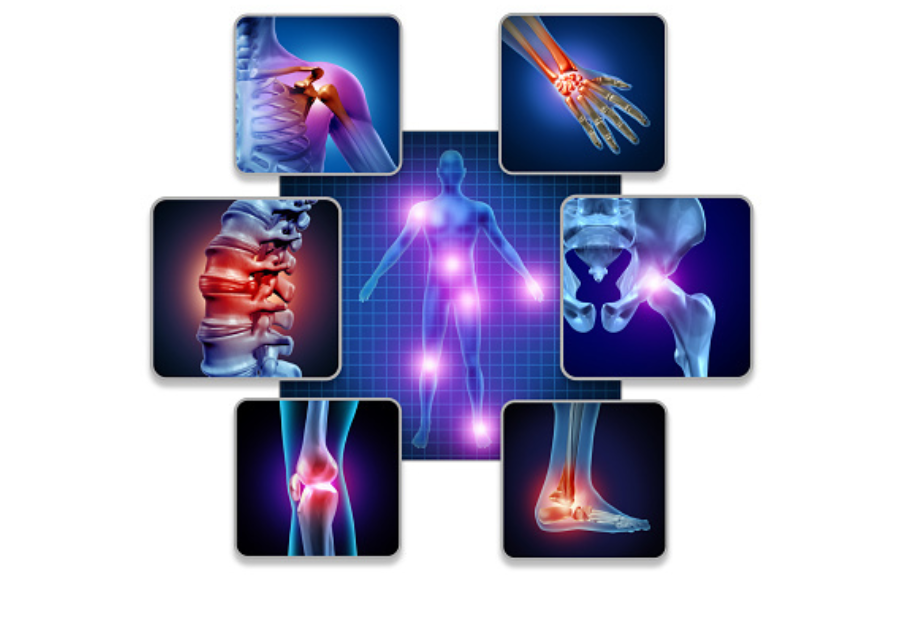
the Secrets of Human Bone and Joint Health Human Bone and Joint Health: Essential Insights for Optimal Well-being In understanding the intricacies of human bone and joint health, we embark on a journey through the remarkable framework that supports our bodies. Bones and joints are the unsung heroes of our mobility, providing structure, stability, and protection. From the moment we take our first steps to the activities that define our daily lives, our bones and joints silently bear the burden, often unnoticed until discomfort or injury arises. Bones, the sturdy pillars of our skeletal system, serve as the foundation upon which our bodies are built. Comprised of living tissues constantly undergoing remodeling, bones play a pivotal role in not only supporting our weight but also in housing vital organs and producing blood cells. From the dense cortical bone that forms the outer layer to the trabecular bone that provides internal support, each component contributes to the resilience and strength of our skeletal structure. Joints, on the other hand, are the dynamic connectors that facilitate movement and flexibility. Ranging from the hinge-like movement of the knee to the complex articulation of the shoulder, joints come in various forms, each adapted to its specific function. Encased within the protective embrace of cartilage and synovial fluid, joints undergo a delicate balance of stability and mobility, allowing us to perform a myriad of tasks with ease. However, despite their remarkable resilience, bones and joints are not invincible. Aging, injuries, and underlying medical conditions can all take their toll, leading to discomfort, pain, and impaired mobility. Conditions such as osteoarthritis, osteoporosis, and rheumatoid arthritis can significantly impact the health and functionality of our bones and joints, posing challenges to our overall well-being. Maintaining optimal bone and joint health is therefore paramount for a fulfilling and active lifestyle. A holistic approach encompassing nutrition, exercise, and preventive care can help safeguard against the ravages of time and disease. Adequate intake of calcium, vitamin D, and other essential nutrients lays the foundation for strong and resilient bones, while regular weight-bearing exercises promote bone density and muscle strength. Similarly, fostering joint health involves a combination of low-impact exercises, flexibility training, and proper ergonomics. Engaging in activities such as swimming, yoga, and tai chi can improve joint mobility and reduce the risk of stiffness and discomfort. Moreover, paying attention to posture, using ergonomic equipment, and avoiding repetitive stress can mitigate the strain on our joints and tissues. In addition to lifestyle modifications, seeking timely medical attention and adopting preventive measures are crucial steps in preserving bone and joint health. Routine screenings, diagnostic tests, and consultations with healthcare professionals can help identify risk factors and address underlying issues before they escalate. Moreover, adhering to prescribed treatments, medications, and therapies can mitigate symptoms and improve quality of life for individuals living with bone and joint conditions. In conclusion, the health of our bones and joints is a cornerstone of our overall well-being, influencing our mobility, independence, and quality of life. By understanding the intricate interplay of factors that contribute to bone and joint health, we empower ourselves to take proactive steps towards prevention and management. Through a combination of lifestyle modifications, preventive care, and medical intervention, we can nurture and safeguard these vital components of our musculoskeletal system, ensuring a lifetime of movement, vitality, and resilience. Understanding the Intricacies of Human Bone and Joint Health In the complex framework of the human body, bones and joints serve as the foundational pillars, supporting mobility, stability, and overall well-being. Our bones provide structure and protection, while joints facilitate movement, allowing us to perform everyday activities with ease. Delving deeper into the realm of bone and joint health unveils a fascinating interplay of anatomy, physiology, and various factors influencing their functionality. At the core of bone health lies the intricate process of bone remodeling, where old bone tissue is replaced by new bone tissue. This dynamic equilibrium is regulated by a delicate interplay between osteoblasts, responsible for bone formation, and osteoclasts, responsible for bone resorption. Proper nutrition, including sufficient intake of calcium, vitamin D, and other essential nutrients, plays a crucial role in maintaining optimal bone density and strength. However, the health of our bones is not solely determined by nutrition. Physical activity, particularly weight-bearing exercises, stimulates bone remodeling, enhancing bone density and reducing the risk of osteoporosis and fractures. Conversely, a sedentary lifestyle can lead to bone loss and compromised bone health. Therefore, incorporating regular exercise into our daily routine is paramount for preserving bone strength and integrity. While bones provide structural support, joints facilitate movement, enabling us to bend, flex, and rotate our limbs. Joints are comprised of various components, including cartilage, synovial fluid, ligaments, and tendons, all working in harmony to ensure smooth and pain-free motion. Cartilage, in particular, acts as a cushion between bones, preventing friction and absorbing shock during activities. Maintaining joint health is essential for preserving mobility and preventing conditions such as osteoarthritis, a degenerative joint disease characterized by the breakdown of cartilage. Strategies for promoting joint health include maintaining a healthy weight, avoiding repetitive stress on joints, and practicing proper posture and body mechanics. Additionally, incorporating foods rich in omega-3 fatty acids, such as fish and nuts, may help reduce inflammation and support joint function. Beyond lifestyle factors, genetics and age also play significant roles in bone and joint health. While we cannot alter our genetic makeup, adopting healthy habits early in life and engaging in preventive measures can mitigate the impact of genetic predispositions. Furthermore, as we age, our bones may become more susceptible to fractures and our joints may experience wear and tear. However, proactive measures such as regular exercise, balanced nutrition, and adequate hydration can help mitigate these age-related changes and preserve bone and joint health. In conclusion, understanding the intricacies of human bone and joint health is essential for maintaining mobility, functionality, and overall quality of life. By prioritizing proper nutrition, regular exercise, and preventive measures, we can optimize bone density, strength, and

Weight Loss Coach to Unlock Your Best Self-Success
Weight Loss Coach to Unlock Your Best Self-Success Embarking on a transformative weight loss journey requires personalized guidance and support, and that’s where a dedicated weight loss coach becomes your invaluable partner. A weight loss coach is not just a fitness expert but a motivator, educator, and confidant rolled into one. With a weight loss coach by your side, you gain access to tailored strategies, expert advice, and a customized roadmap to achieve your fitness goals. Say goodbye to one-size-fits-all approaches and welcome a personalized weight loss plan crafted specifically for you. Whether you’re seeking to shed pounds, boost your metabolism, or adopt a healthier lifestyle, a weight loss coach is your compass on this empowering voyage. Start your transformative journey today with the expertise of a weight loss coach, and unlock the secrets to sustainable, long-term success. Your healthier, happier self awaits – let your weight loss coach guide you to triumph! Certainly! providing information and tips to help you on your weight loss journey. However, please keep in mind that it’s important to consult with a healthcare professional or a certified nutritionist before making significant changes to your diet or exercise routine, as individual needs can vary. 1. Set Realistic Goals For weight loss coach: Liv Pure is very different from anything you have ever tried or experienced before in your life. This is the only product with our special Liver Purification and Liver Fat-Burning Complex. It has a mix of Mediterranean plants and nutrients to make your liver work better. In the quest for achieving sustainable weight loss, setting realistic goals is paramount, and the guidance of a seasoned professional, such as a weight loss coach, can make all the difference. Embarking on a transformative journey demands a holistic approach that goes beyond mere numbers on a scale. A proficient weight loss coach serves as a beacon of support, helping individuals navigate the labyrinth of dietary choices, exercise routines, and mindset shifts. One of the fundamental principles emphasized by a weight loss coach is the establishment of achievable milestones. Unrealistic goals often lead to frustration and setbacks, hindering progress. A knowledgeable coach tailors objectives to individual capabilities, considering factors like metabolism, lifestyle, and personal preferences. This personalized approach not only ensures attainability but also cultivates a sense of accomplishment, motivating individuals to persist in their efforts. A successful weight loss journey transcends quick fixes, embracing sustainable habits that promote long-term well-being. A skilled coach provides valuable insights into nutrition, devising meal plans that strike a balance between nourishment and enjoyment. By fostering a positive relationship with food, individuals can overcome challenges and maintain healthier eating habits over time. Exercise, another cornerstone of effective weight management, is integrated into the coaching process. A coach collaborates with clients to develop workout routines that are realistic and enjoyable, aligning with their fitness levels and preferences. This pragmatic approach minimizes the likelihood of burnout, ensuring that exercise becomes a sustainable and integral part of their lifestyle. Furthermore, a weight loss coach functions as a motivational ally, guiding individuals through the inevitable ups and downs of their journey. Cultivating a resilient mindset is crucial, and a coach instills confidence and self-compassion, helping clients overcome setbacks and stay focused on their ultimate objectives. In conclusion, setting realistic weight loss goals is an essential component of any successful wellness journey. With the expertise of a dedicated weight loss coach, individuals can navigate this path with confidence, ensuring that their objectives are not only achievable but also conducive to lasting health and vitality. By embracing a holistic approach that incorporates nutrition, exercise, and mindset, individuals can embark on a transformative journey towards sustainable weight loss, guided by the expertise and support of a seasoned weight loss coach. Embarking on a weight loss journey is a transformative endeavor that necessitates a well-defined roadmap, and a key player in this process is a knowledgeable weight loss coach. Setting achievable short-term and long-term goals is a cornerstone of success, and a seasoned coach plays a pivotal role in guiding individuals through this goal-setting process. Short-term goals act as stepping stones toward the larger objective of weight loss. A proficient weight loss coach collaborates with clients to establish realistic milestones that are attainable within a specific timeframe. These short-term goals may include incremental changes in dietary habits, incorporating regular exercise into daily routines, and cultivating a positive mindset. By breaking down the overarching goal into manageable steps, individuals can experience a sense of accomplishment, reinforcing their commitment to the weight loss journey. Equally important are long-term goals, which provide individuals with a vision of their desired outcome. A weight loss coach helps clients define sustainable objectives that go beyond mere numbers on a scale. These could involve achieving a certain level of fitness, adopting lifelong healthy eating habits, and cultivating a positive relationship with one’s body. Long-term goals serve as a compass, guiding individuals through the journey and ensuring that their efforts contribute to lasting well-being. The collaborative process between a weight loss coach and their clients extends to the customization of goals. Recognizing that each individual is unique, a skilled coach tailors short-term and long-term objectives to align with personal preferences, lifestyle, and health conditions. This personalized approach not only enhances the attainability of goals but also fosters a sense of ownership and empowerment, crucial elements in sustaining motivation throughout the weight loss journey. In conclusion, the establishment of achievable short-term and long-term goals is a fundamental aspect of any successful weight loss strategy. With the expert guidance of a dedicated weight loss coach, individuals can navigate this goal-setting process with precision and purpose. By breaking down the journey into manageable steps and envisioning long-term success, individuals can embark on a transformative path toward sustainable weight loss, supported by the expertise and encouragement of their trusted weight loss coach. Embarking on a weight loss journey can seem like a daunting task, especially when faced with larger goals. However, the key to sustained success lies in the art

Ultimate Guide to Meal Prepping for Weight Loss: Strategies, Recipes, and Tips
Ultimate Guide to Meal Prepping for Weight Loss: Strategies, Recipes, and Tips Meal prepping for weight loss is a game-changer in achieving health goals. It involves planning and preparing meals in advance, offering numerous advantages for those aiming to shed pounds. By meticulously arranging nutritious meals ahead of time, individuals can take charge of their caloric intake, portion sizes, and nutrient balance. This method not only promotes healthier eating habits but also saves time and reduces the temptation to opt for unhealthy fast food choices. Effective meal prepping emphasizes variety, incorporating lean proteins, complex carbohydrates, and plenty of vegetables. It enables individuals to stay consistent with their dietary objectives, supporting weight loss efforts. With proper planning and dedication, meal prepping emerges as a sustainable approach, empowering individuals to make healthier food choices while managing their weight effectively. Start your meal prepping journey today to experience the transformative benefits it brings to your weight loss endeavour’s. I. Introduction to Meal Prepping for Weight Loss Meal prepping for weight loss is a strategic approach to manage your diet and achieve fitness goals efficiently. This practice involves planning, preparing, and portioning meals in advance to support healthier eating habits and aid in weight management. By dedicating a few hours a week to meal prepping, you can ensure access to nutritious, well-balanced meals throughout the week, eliminating the need for spontaneous and often less healthy food choices. It offers convenience, saves time, and empowers you to stay on track with your dietary goals. Whether you’re aiming to shed a few pounds or maintain a healthier lifestyle, meal prepping for weight loss provides a structured and practical way to enhance your nutrition and pave the way for successful weight management. Importance of meal prepping for weight loss Meal prepping for weight loss holds paramount significance in achieving and sustaining a healthier lifestyle. This strategic approach to nutrition involves preparing and organizing meals in advance, offering a multitude of benefits for individuals striving to shed excess weight. One of its primary advantages lies in fostering portion control and calorie management. By pre-planning meals, it becomes easier to regulate serving sizes, ensuring that each dish aligns with specific dietary goals, thus aiding in weight management. Moreover, meal prepping encourages the consumption of nutritious, balanced meals. Incorporating a variety of whole foods, lean proteins, complex carbohydrates, and a spectrum of colorful vegetables enables individuals to create well-rounded, healthful meals. This diverse array of nutrients not only supports weight loss but also contributes to overall well-being and sustained energy levels throughout the day. Another pivotal aspect is the time-saving attribute of meal prepping. By dedicating a few hours at the beginning of the week to prepare meals, individuals can streamline their daily routine, bypassing the need for frequent cooking or resorting to less healthy, convenience-based meal options. This convenience factor significantly reduces the likelihood of impulsive, unhealthy food choices, ultimately supporting weight loss efforts. Furthermore, meal prepping fosters consistency in dietary habits. Establishing a routine of planned, pre-made meals assists in steering clear of spontaneous, less nutritious options, thereby reinforcing adherence to a healthier eating pattern. This consistency is key to achieving sustainable weight loss goals over time. In essence, meal prepping serves as an instrumental tool in weight loss journeys, offering a structured, organized approach to nutrition that promotes portion control, dietary variety, time efficiency, and overall consistency in healthier eating habits. Embracing meal prepping can make a substantial difference in managing weight effectively while fostering a long-term commitment to improved health and well-being. How meal prepping aids in achieving weight loss goals. Meal prepping plays a pivotal role in effectively achieving weight loss objectives by revolutionizing dietary habits and providing a structured approach to nutrition. This strategic practice involves planning, preparing, and packaging meals in advance, offering several key advantages that significantly contribute to successful weight loss journeys. Firstly, meal prepping cultivates portion control and calorie management, two fundamental aspects crucial for weight loss. By preparing meals in predetermined serving sizes, individuals can better regulate their food intake, ensuring they consume the appropriate amount of calories aligned with their weight loss goals. This method installs discipline and awareness, ultimately aiding in creating a calorie deficit necessary for shedding excess weight. Moreover, meal prepping facilitates the consumption of nutritious, well-balanced meals. Crafting dishes rich in lean proteins, whole grains, ample fruits and vegetables, and healthy fats becomes more manageable when meals are planned in advance. This variety of nutrients not only supports weight loss efforts but also contributes to overall health and sustained energy levels. Additionally, meal prepping eliminates the reliance on fast food or processed meals. Having pre-prepared, wholesome meals readily available reduces the temptation to opt for less nutritious, convenience-based food choices. This not only prevents the consumption of excessive calories and unhealthy ingredients but also promotes healthier eating habits essential for weight loss success. Furthermore, meal prepping fosters consistency and adherence to dietary plans. By establishing a routine of pre-made meals, individuals are more likely to stick to their prescribed eating regimen, avoiding impulsive decisions that may hinder weight loss progress. This consistency plays a crucial role in maintaining a balanced, controlled diet conducive to achieving weight loss goals. In essence, meal prepping serves as a cornerstone in the journey towards weight loss success by promoting portion control, facilitating the consumption of nutritious meals, mitigating reliance on unhealthy food options, and fostering consistency in dietary habits. Embracing meal prepping not only aids in shedding unwanted pounds but also cultivates a sustainable and healthier approach to eating, supporting long-term well-being and weight management. II. Understanding Meal Prepping Understanding meal prepping for weight loss is about embracing a systematic and efficient approach to nutrition and healthy eating habits. It involves planning and preparing meals in advance, typically done over a dedicated time, to ensure a supply of balanced, portion-controlled dishes throughout the week. Meal prepping allows for customization, catering to specific dietary needs and weight loss objectives. By familiarizing yourself with this method, you gain control

How to Decode Best Healthy Food Labels for Informed Choices1
How to Decode Food Labels for Informed Choices In our fast-paced world, making informed and health-conscious food choices is essential for maintaining overall well-being. One of the most powerful tools at your disposal for making these decisions is the unassuming yet critical food label. Food labels serve as a window into the nutritional content of packaged foods, providing vital information that empowers you to make better choices. In this comprehensive 5000-word article, we will delve deep into the world of food labels, deciphering the jargon and demystifying the numbers. By the end of this guide, you will be equipped with the knowledge and confidence needed to navigate the grocery store with a discerning eye and make healthier dietary decisions. Luckily, a rebel specialist from Japan has revealed a normal “belly fat Drāno” juice that flushes out this harmful greasy corrosive from your body. The Basics of Food Labels Understanding food labels is crucial for making informed choices about what we consume. These labels serve as a window into the nutritional content of the products we buy, offering vital information that helps us maintain a balanced diet and make healthier decisions. Whether you’re health-conscious, managing a specific dietary requirement, or simply curious about what’s in your food, comprehending the basics of food labels is key. Before diving into the details, let’s start with the fundamentals. Food labels are mandated by law on most packaged foods, providing a wealth of information to help you make informed choices. Here’s what you typically find on a food label: 1.The Significance of Food Labels Food labels are more than just a list of ingredients and nutritional facts—they’re a consumer’s compass, guiding them through the nutritional landscape. They provide insights into serving sizes, calorie counts, macronutrients (such as carbohydrates, proteins, and fats), vitamins, minerals, and the infamous “percent daily value” (%DV) that helps us gauge the contribution of a specific nutrient to our daily diet. 2.Decoding the Label The front of food packaging often showcases various claims—be it “organic,” “low-fat,” “sugar-free,” or “gluten-free.” These claims are regulated by specific guidelines. For instance, “organic” typically means the product was grown without synthetic pesticides or fertilizers, while “low-fat” implies reduced fat content compared to a reference product. Understanding these claims aids in making quick decisions but delving deeper into the label is necessary for a comprehensive understanding. 3.Nutritional Facts Panel The Nutrition Facts panel is the heart of the food label. It delineates serving sizes and the corresponding nutritional information. Observing the serving size is crucial, as all nutrient values listed are in reference to this portion. Calorie counts, macronutrients, cholesterol, sodium, vitamins, and minerals are meticulously detailed here. The %DV is especially valuable, as it indicates how much a nutrient in a serving of food contributes to a daily diet, based on a 2,000-calorie intake. 4.Ingredients List This section lists the ingredients in the food, with the primary ingredient first and others following in descending order by weight. The ingredients list reveals what components constitute the product. They’re listed in descending order by weight, allowing consumers to understand the primary constituents of what they’re consuming. This section helps in identifying allergens, additives, preservatives, and even hidden sugars or unhealthy fats, empowering individuals to make more informed choices. 5.Unraveling Misleading Labels While food labels are designed to inform and guide consumers, misleading tactics sometimes prevail. For instance, a product labeled “natural” doesn’t necessarily mean it’s healthier—it might still contain excessive sugar or unhealthy fats. Understanding the nuances of these terms and critically analyzing the label prevents falling prey to deceptive marketing strategies. 6.Tailoring Labels to Your Needs Each individual’s nutritional requirements differ. Some might focus on low sodium, while others prioritize high fiber content. Understanding how to tailor the information on food labels to suit your specific needs is empowering. For instance, someone managing diabetes may focus on the carbohydrate content and added sugars, while someone with heart issues might prioritize limiting saturated fats and sodium. In essence, comprehending food labels is an essential skill in today’s world. It’s a tool that empowers consumers to make conscious, well-informed choices about their diet and health. By unraveling the complexities of food labels, one can navigate the aisles of supermarkets with confidence, ensuring that what goes into their bodies aligns with their health and wellness goals. The more one understands food labels, the better equipped they are to make healthier, informed decisions. Nutrition Facts Panel: This is the heart of the label, containing information about serving size, calories, and the amounts of various nutrients in the food. It’s usually presented in a table format. Understanding the Nutrition Facts Panel on food labels is key to making informed dietary choices. This section of food packaging provides a comprehensive breakdown of essential nutritional information, enabling consumers to assess the contents and make healthier decisions. The Nutrition Facts Panel typically includes details on serving sizes, calories, macronutrients (such as fats, proteins, and carbohydrates), vitamins, minerals, and %DV (percent daily value) indicators. Delving into these details can aid in maintaining a balanced diet and meeting specific health goals. 1.What the Panel Offers The Nutrition Facts Panel is a treasure trove of vital information. It doesn’t just list the nutritional content but also delineates serving sizes, allowing consumers to grasp the actual intake per portion. This section also includes calorie counts, which are fundamental for those monitoring their energy intake. Moreover, the macronutrient breakdown—fats, proteins, and carbohydrates—helps in understanding the composition of the product, aiding in various dietary preferences or health concerns. 2.Unveiling Macronutrients Understanding the significance of fats, proteins, and carbohydrates is pivotal. Fats encompass various types—saturated, unsaturated, trans fats—each with its impact on health. Proteins are essential for building and repairing tissues, while carbohydrates serve as the primary energy source. Recognizing the quantities of these macronutrients in a product allows individuals to align their consumption with their nutritional needs. 3.Micronutrients and %DV Vitamins and minerals play a crucial role in our overall health. The Nutrition Facts Panel reveals the presence of essential
Why Drinking Water Matters: Top Reasons to Stay Hydrated
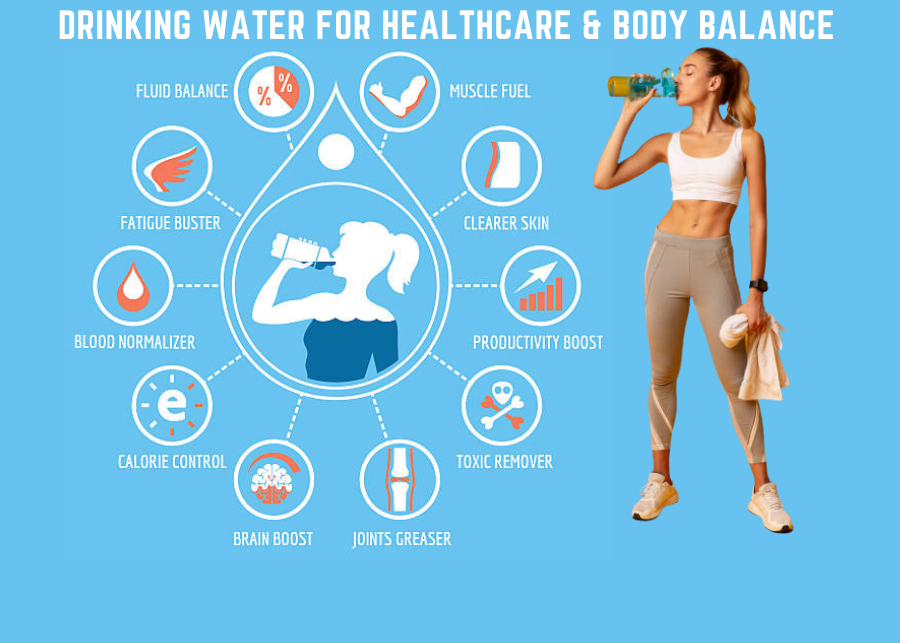
Drinking Water Matters: Top Reasons to Stay Hydrated In the fast-paced world we live in, it’s easy to overlook one of the simplest and most essential aspects of maintaining our health: staying properly hydrated. The act of drinking water may seem mundane, but its significance cannot be overstated. Whether you’re striving for peak physical performance, enhanced mental clarity, or overall well-being, hydration is the cornerstone of it all. In this article, we’ll explore the top reasons why drinking water matters and why it’s crucial to keep your body well-hydrated. From supporting your physical vitality to nurturing your cognitive abilities and promoting a vibrant, healthy life, we’ll delve into the science and practical wisdom behind this fundamental habit. RENEW YOU NOW Unlock Your Optimal Physical Performance: The Power of Drinking Water To achieve optimal physical performance, many factors come into play, but one often overlooked key element is staying properly hydrated by drinking water. Hydration plays a pivotal role in various physiological processes, such as regulating body temperature, lubricating joints, and aiding in digestion. When you’re adequately hydrated, your body can perform at its best, enhancing endurance, strength, and overall fitness. In this article, we will explore the profound impact of drinking water on your physical performance and provide practical tips on how to maintain the right level of hydration to unlock your body’s full potential. Stay tuned for insights on how this simple habit can lead to remarkable improvements in your athletic endeavours. Optimal physical performance is a goal that many athletes and fitness enthusiasts aspire to achieve. One often overlooked, yet essential factor in reaching peak performance is the simple act of drinking water. Staying properly hydrated is the key to enhancing your endurance, strength, and overall athletic prowess. In this article, we will explore the science behind how drinking water impacts your body’s ability to perform at its best and provide practical tips to ensure you stay adequately hydrated during workouts and throughout the day. Discover how this fundamental element can be the game-changer you need to elevate your physical performance to new heights. Achieving optimal physical performance is a goal shared by many individuals, whether they’re athletes, fitness enthusiasts, or simply those looking to lead a healthier lifestyle. One often underestimated and readily accessible resource that can significantly impact performance is water. In this article, we’ll delve into the crucial role that drinking water plays in enhancing your physical capabilities. From maintaining proper hydration levels to supporting energy production and aiding in recovery, the benefits of adequate water intake are numerous. We’ll explore how staying hydrated can boost endurance, strength, and overall well-being. Join us on this journey to discover the transformative power of something as simple as a glass of water and how it can elevate your physical performance to new heights. Optimal physical performance is a goal we all strive to achieve, and one simple yet often underestimated factor that plays a crucial role in reaching this peak is staying properly hydrated through drinking water. Water is the body’s ultimate ally, aiding in everything from maintaining body temperature and transporting essential nutrients to lubricating joints and ensuring the smooth function of bodily processes. When you make a conscious effort to drink enough water, you empower your body to perform at its best. In this article, we’ll explore the vital connection between hydration and physical performance, offering tips and insights on how to harness the benefits of drinking water to optimize your overall well-being and enhance your athletic prowess. Stay tuned for valuable information on how this humble but essential element can make a significant difference in your journey toward peak physical performance. Optimal physical performance is a goal that many individuals strive to achieve, and one often-overlooked factor that plays a crucial role in this pursuit is staying adequately hydrated through drinking water. The importance of proper hydration cannot be overstated when it comes to peak physical performance. Water is not only essential for overall health, but it also acts as a performance-enhancing elixir for athletes and fitness enthusiasts alike. In this article, we’ll explore the science behind how drinking water can significantly impact your physical capabilities and help you reach your peak potential. So, let’s dive in and discover how this simple, yet powerful, habit can make a world of difference in your fitness journey. Enhance Brain Function and Focus with the Magic Elixir: Drinking Water Enhancing brain function and sustaining unwavering focus are common objectives for those seeking to maximize their productivity and mental acuity. Amidst various strategies, one often underestimated but incredibly effective approach is maintaining proper hydration through drinking water. The human brain, comprised of approximately 75% water, is particularly sensitive to shifts in hydration levels. Even slight dehydration can lead to reduced cognitive performance, impacting memory, attention, and decision-making. By understanding the significant role that water plays in supporting brain function, this article explores how the simple habit of staying well-hydrated can be a cornerstone for achieving peak mental performance and heightened focus in your daily pursuits. Optimizing brain function and enhancing focus are critical aspects of our daily lives. One often underestimated yet profoundly impactful way to support cognitive performance is by staying well-hydrated through drinking water. The brain, composed of approximately 75% water, is highly sensitive to fluctuations in hydration levels. Even mild dehydration can lead to decreased cognitive abilities, affecting memory, concentration, and decision-making. By prioritizing regular water intake, you can help ensure your brain operates at its best. In this article, we’ll explore the science behind this essential connection and provide practical tips on how drinking water can be a simple yet powerful tool to sharpen your focus and unlock your cognitive potential. Enhancing brain function and focus is a universal aspiration in our fast-paced world. While numerous strategies and techniques promise to sharpen cognitive abilities, one often-overlooked yet fundamental element is the impact of proper hydration through drinking water. The human brain is exquisitely sensitive to changes in hydration levels. Even mild dehydration can

Portion Control 101, for Healthy Weight Loss: How to Get Started
Portion Control 101, for Healthy Weight Loss: How to Get Started In the world of nutrition and weight management, the concept of portion control plays a pivotal role in achieving and maintaining a healthy lifestyle. Portion control is all about being mindful of the quantities of food you consume, ensuring you don’t overindulge or underconsume, and striking a balance that aligns with your health goals. Whether you’re looking to shed a few pounds, maintain your current weight, or simply enhance your overall well-being, understanding and practicing portion control is a fundamental step on your journey to success. By paying attention to portion sizes, you can prevent excessive calorie intake, which is often a leading factor in weight gain. It’s not about depriving yourself but rather making informed choices about the foods you eat. In this article, we’ll explore the importance of portion control, provide practical tips and strategies for incorporating it into your daily life, and discuss the benefits it can bring to your health and fitness goals. So, let’s dive in and discover how mastering portion control can lead to a happier, healthier you. Scientists have found a surprising reason behind stubborn belly fat. WATCH SHOCKING VIDEO NOW Portion control is a fundamental component of maintaining a balanced and healthy diet. Its role is pivotal in achieving various dietary and health-related goals. By regulating the size of food servings, portion control plays a multifaceted role in: Calorie Management for Portion control: Portion control helps manage calorie intake, making it easier to consume an appropriate number of calories to support your specific goals, whether it’s weight maintenance, weight loss, or muscle gain. Effective calorie management is at the heart of the portion control journey. Portion control isn’t just about reducing the amount of food you eat; it’s about making conscious choices that align with your calorie goals. By regulating portion sizes, you can accurately control your calorie intake, a pivotal factor in achieving various dietary objectives. If your aim is weight loss, portion control ensures you consume fewer calories than your body expends, creating a calorie deficit essential for shedding those extra pounds. On the other hand, if you’re maintaining your weight or focusing on balanced nutrition, portion control enables you to enjoy a wide variety of foods without overindulging. In this article, we’ll delve deeper into the connection between portion control and calorie management, providing practical insights and strategies to help you harness the power of portion control for better calorie control and successful attainment of your health and wellness goals. Effective calorie management is at the heart of successful portion control. By understanding the relationship between portion sizes and calorie intake, you can take charge of your dietary choices and work toward your health and weight goals. Portion control is a strategic approach to calorie management, allowing you to enjoy your favourite foods while keeping your daily caloric intake in check. It’s not about deprivation but rather about making informed choices. By practicing portion control, you can strike a balance between satisfying your cravings and maintaining a calorie deficit, which is essential for weight management. In this article, we’ll delve into the art of calorie management through portion control, offering practical insights and tips to help you navigate your journey toward a healthier and more balanced diet. Effective calorie management is at the heart of a successful portion control strategy. When embarking on a journey of balanced eating and weight management, it’s essential to comprehend the direct relationship between portion control and calorie intake. By mastering the art of portion control, you gain the ability to regulate the number of calories you consume during meals and snacks, aligning your diet with your specific health and fitness goals. Whether your aim is to shed unwanted pounds or maintain a healthy weight, portion control is your ally in this endeavour. This article delves into the intricate connection between portion control and calorie management, offering valuable insights and practical techniques to help you make informed decisions about your food intake, thus taking control of your calorie consumption in a way that empowers your overall well-being. Calorie management through portion control is a fundamental component of maintaining a balanced and healthy diet. It involves being mindful of the number of calories you consume by regulating the sizes of your food servings. This practice is crucial for various health and fitness goals, including weight management and achieving a healthier lifestyle. Here are some key details about calorie management in the context of portion control: 1.Calorie Awareness: Calorie awareness is a cornerstone of informed and health-conscious eating. Understanding the calorie content of the foods you consume is pivotal for making mindful dietary choices, whether you’re striving for weight management, better nutrition, or simply a healthier lifestyle. By becoming calorie-aware, you gain the knowledge to make informed decisions about your diet, helping you maintain or achieve your specific health and fitness goals. In this article, we will delve into the significance of calorie awareness, offering practical insights and valuable tips to help you navigate the world of calories and portion control. Discover how calorie awareness can be your ally in creating a balanced, calorie-conscious approach to your daily meals, ultimately contributing to better health and well-being. Calorie awareness is a pivotal factor in making informed dietary choices that align with your health and fitness goals. Being conscious of the number of calories in the foods you consume is fundamental to calorie management and overall well-being. This awareness empowers individuals to make intentional decisions about their eating habits, whether it’s for weight loss, maintenance, or simply adopting a healthier lifestyle. In this article, we will delve into the importance of calorie awareness, providing practical insights and valuable tips to help you become more conscious of the calorie content in your diet. Discover how a heightened sense of calorie awareness can be a guiding light in your journey toward better nutrition and improved health, ultimately helping you make choices that are in harmony with your goals

Balanced Diet Made Easy: 20 + Tips and Tricks for Effective Meal Planning and Food Choices
Blood sugar Can be stable – even without Balanced diet FINALLY regain control over your blood sugar… Discover the Secrets of Balanced Food Choices and Meal Planning for Balanced Diet Balanced Food Choices: In today’s fast-paced world, achieving and maintaining a balanced diet is more critical than ever for our overall health and well-being. A balanced diet is not about strict dietary limitations; instead, it’s a holistic approach to eating that encompasses a wide variety of nutrient-dense foods. When we make conscious and balanced food choices, we provide our bodies with the essential vitamins, minerals, and nutrients they need to thrive. Balanced diet planning is the key to nurturing your body, reducing the risk of chronic illnesses, and ensuring you have the energy and vitality needed for an active and fulfilling life. In this article, we will explore the art of balanced food choices and meal planning, providing you with practical tips and strategies to help you embrace a balanced diet that suits your lifestyle and preferences. In a world inundated with dietary trends and conflicting nutrition advice, the concept of a balanced diet remains a steadfast beacon of health and well-being. A balanced diet is the foundation upon which we can build robust health, ensuring that our bodies receive the necessary nourishment to function optimally. It’s not about deprivation; it’s about diversity and moderation. By making thoughtful food choices that encompass a spectrum of nutrients, you empower yourself to take charge of your health. This article delves into the heart of balanced food choices, equipping you with the knowledge and tools you need to cultivate a balanced diet that aligns with your individual goals and preferences. Whether you’re aiming to lose weight, enhance athletic performance, or simply lead a healthier life, understanding the principles of balanced eating will set you on the path to success. In the quest for better health, a balanced diet emerges as a cornerstone of well-being. A balanced diet is a conscious choice to fuel your body with a variety of foods that offer a broad spectrum of essential nutrients. By making balanced food choices, you provide your body with the right tools it needs to thrive. This includes not only energy but also a plethora of vitamins, minerals, and antioxidants that can safeguard against chronic illnesses. It’s a simple but powerful equation: balanced food choices equal a balanced diet, which equals a healthier you. In this article, we’ll delve into the principles and practices of balanced food choices, helping you embark on a journey towards improved health and vitality. Balanced nutrition Balanced nutrition is the cornerstone of a healthy and vibrant life. A balanced diet is not just a passing trend; it’s a sustainable approach to eating that can have a profound impact on your overall well-being. Achieving a balanced diet through smart food choices ensures that your body receives a rich array of essential nutrients, vitamins, and minerals. It’s about embracing a variety of foods to fuel your body optimally. Balanced nutrition is more than just counting calories; it’s about nourishing your body and soul with foods that promote good health and longevity. In this article, we will delve into the concept of balanced nutrition, exploring how it can transform your life and offering practical tips to help you make informed choices for a healthier, more balanced diet. Balanced nutrition is the foundation of a healthier, more fulfilling life. A balanced diet is more than just a fad; it’s a conscious choice to nourish your body with a wide array of essential nutrients. When you prioritize balanced nutrition, you’re essentially providing your body with the tools it needs to thrive. This isn’t just about calories; it’s about vitamins, minerals, and the building blocks of health. A balanced diet is a lifestyle, not a temporary fix, and it has the potential to reduce the risk of chronic illnesses and boost your energy levels. In this article, we’ll explore the world of balanced nutrition, revealing the strategies and secrets to embracing a balanced diet that suits your unique needs and preferences. Balanced nutrition is the foundation of a healthier, more fulfilling life. When we embrace the concept of a balanced diet, we’re essentially making a commitment to provide our bodies with the optimal blend of nutrients it requires. A balanced diet isn’t about depriving ourselves or following fad diets; it’s about making informed choices to consume a variety of foods that encompass the full spectrum of vitamins, minerals, and essential nutrients. This approach leads to improved overall health, increased energy, and reduced risks of chronic diseases. A balanced diet is a reflection of your understanding of what your body needs to thrive. In this article, we will explore the significance of balanced nutrition and how it relates to a balanced diet. We’ll provide you with insights and strategies to help you make informed food choices, setting you on a path towards a healthier and more balanced lifestyle. Balanced nutrition is the foundation of a healthier, more fulfilling life. When we embrace the concept of a balanced diet, we’re essentially making a commitment to provide our bodies with the optimal blend of nutrients it requires. A balanced diet isn’t about depriving ourselves or following fad diets; it’s about making informed choices to consume a variety of foods that encompass the full spectrum of vitamins, minerals, and essential nutrients. This approach leads to improved overall health, increased energy, and reduced risks of chronic diseases. A balanced diet is a reflection of your understanding of what your body needs to thrive. In this article, we will explore the significance of balanced nutrition and how it relates to a balanced diet. We’ll provide you with insights and strategies to help you make informed food choices, setting you on a path towards a healthier and more balanced lifestyle. Balanced meal ideas When it comes to achieving a balanced diet, the key lies in crafting balanced meal ideas that not only tantalize your taste buds but also nourish your body.
The Ultimate Guide to Healthy Weight Loss: 20 Tips and Strategies
Achieving Sustainable, Healthy Weight Loss: Say Goodbye to Dieting Seriously, don’t bother dieting again, ever. Because you don’t need to. Click For More Info Healthy weight loss is all about achieving your goals in a sustainable and nourishing way This 20 weight loss tips and strategies to help you in your journey towards a healthier lifestyle: 1.Set Realistic Goals: 2.Healthy Breakfast: 3.Regular Meals: 4.Protein Intake: 5.Fiber-Rich Foods: 6.Limit Processed Foods: 7.Stay Hydrated: 8.Healthy Snacking: 9.Food Journaling: 10.Mindful Eating: 11.Regular Exercise: 12.Strength Training: 13.High-Intensity Interval Training (HIIT): 14.Lifestyle Changes: 15.Get Adequate Sleep: 16.Reduce Stress: 17.Portion Control: 18.Eat Slowly: 19.Stay Accountable: 20.Professional Guidance: This 20 weight loss tips and strategies to help you in your journey towards a healthier lifestyle: 1.Set Realistic Goals: Establish achievable and specific weight loss goals to stay motivated Setting realistic goals is a fundamental aspect of achieving healthy weight loss. In a world saturated with fad diets and rapid-fix promises, it’s crucial to establish attainable and sustainable objectives for your journey. When you set realistic goals, you’re more likely to stay motivated and make steady progress. Aiming for a gradual, steady weight loss of 1-2 pounds per week is both achievable and healthy. Remember, sustainable weight loss is about making lasting changes to your lifestyle, such as improving your eating habits and increasing physical activity, rather than seeking quick but short-lived results. By setting realistic goals, you can embark on a path to healthier living with confidence and a clear roadmap to success. When embarking on a journey towards healthy weight loss, setting realistic goals is the cornerstone of success. It’s crucial to focus on attainable objectives that align with your individual needs and circumstances. Unrealistic expectations can lead to frustration and setbacks. By setting achievable milestones, you can celebrate your progress along the way and stay motivated. Healthy weight loss is not a race; it’s a gradual and sustainable process that prioritizes your overall well-being. By establishing realistic goals, you ensure that your weight loss journey is both effective and emotionally rewarding. In the pursuit of healthy weight loss, setting realistic goals is the cornerstone of a successful journey. Instead of fixating on drastic transformations, focus on achievable and sustainable milestones. Realistic goals not only keep you motivated but also prevent discouragement. They allow you to celebrate small victories along the way, which, in turn, builds confidence and commitment. Healthy weight loss is about making gradual, lasting changes that align with your body’s needs and your lifestyle. So, remember to set attainable goals that promote both physical and emotional well-being, ensuring a sustainable path to a healthier you. 2.Healthy Breakfast: Start your day with a nutritious breakfast to kickstart your metabolism. A healthy breakfast is your secret weapon on the path to achieving sustainable and healthy weight loss. This first meal of the day jumpstarts your metabolism, providing the energy you need to kickstart your day while curbing mid-morning cravings. Opt for a breakfast rich in nutrients like fiber, protein, and healthy fats. This combination keeps you feeling full and satisfied, reducing the temptation to snack on less nutritious options. In your quest for a healthier you, remember that a nourishing breakfast sets a positive tone for your entire day, helping you make better food choices and maintain your commitment to your weight loss goals. As you embark on your journey towards healthy weight loss, never underestimate the power of a nourishing breakfast. A healthy breakfast kickstarts your metabolism and provides essential energy to fuel your day. Skipping breakfast can lead to overeating later on, making it harder to maintain a balanced diet. Make wise choices by including whole grains, lean proteins, and fruits in your morning meal. This sets the tone for mindful eating throughout the day and promotes your overall health and weight loss goals. Remember, small changes like prioritizing a nutritious breakfast can yield significant results on your path to a healthier you. A healthy breakfast is your first step towards successful and sustainable weight loss. It kickstarts your metabolism, provides vital nutrients, and sets a positive tone for the day. Choosing nutritious options like whole grains, fruits, and lean proteins can keep you feeling full and satisfied, reducing the temptation to overindulge later on. By prioritizing a wholesome morning meal, you not only nourish your body but also establish a foundation for balanced eating habits that support your healthy weight loss goals. Remember, it’s not about skipping meals but about making informed choices to fuel your body and boost your weight loss journey. 3.Regular Meals: Eat smaller, balanced meals throughout the day to prevent overeating Healthy weight loss is all about balance. Rather than overindulging in large meals, opt for a smarter approach by eating smaller, balanced meals throughout the day. This not only helps prevent overeating but also keeps your metabolism active, making it an SEO-friendly strategy for effective and sustainable weight loss. Promote healthy weight loss by adopting a smart eating strategy. Opt for smaller, balanced meals spread throughout the day. This approach not only keeps your metabolism active but also helps prevent overeating. By incorporating this routine, you’ll find yourself on the path to sustainable and effective weight management while prioritizing your health and well-being. To achieve healthy weight loss, it’s essential to adopt a strategy that works with your body. One effective approach is to eat smaller, balanced meals throughout the day. By doing so, you can curb hunger and prevent overeating, all while maintaining steady energy levels. This method not only supports your overall well-being but also promotes a sustainable and SEO-friendly path to achieving and maintaining a healthy weight. 4.Protein Intake: Include lean protein sources like chicken, fish, beans, and tofu to stay full and build muscle In your journey towards healthy weight loss, incorporating lean protein sources is a smart and effective choice. Foods like chicken, fish, beans, and tofu not only keep you feeling full for longer but also aid in building lean muscle mass. By including these protein-rich options in your