
Tirzep: Everything You Need to Know About This Breakthrough Diabetes Therapy Type 2 diabetes is one of the fastest-growing chronic diseases worldwide. Many patients still struggle to maintain healthy blood sugar levels even when using metformin or insulin. Tirzep represents a significant advancement: it can lower blood glucose, promote weight loss, and reduce cardiovascular risk—all in one therapy. Generic name: Tirzepatide Drug class: Dual GIP/GLP-1 receptor agonist Manufacturer: Eli Lilly (marketed in some regions under the brand name Mounjaro or similar). Tirzepatide activates two incretin pathways: GLP-1 receptors – increase insulin secretion, reduce glucagon, slow stomach emptying. GIP receptors – further enhance insulin release and may improve fat metabolism. This dual action improves glycemic control and supports weight reduction beyond what single-pathway drugs achieve. Doctors may prescribe Tirzep for: Adults with type 2 diabetes not controlled by diet, exercise, or first-line oral medications. Patients who need both blood sugar improvement and weight reduction. In some markets, to reduce cardiovascular risk factors associated with diabetes. (It is not approved for type 1 diabetes or for use as first-line therapy in newly diagnosed patients without trying metformin or lifestyle changes.) Single-use injectable pens in strengths such as 2.5 mg, 5 mg, 7.5 mg, 10 mg, 12.5 mg, and 15 mg. Currently, Tirzep is not marketed in fixed-dose combinations with metformin or other oral agents, but it is often prescribed alongside them. Starting dose: 2.5 mg injected once weekly for 4 weeks. Increase to 5 mg weekly, then titrate upward every 4 weeks as tolerated, up to a maximum of 15 mg weekly. Administer under the skin (abdomen, thigh, or upper arm). Rotate injection sites and use on the same day each week. (Always follow your healthcare provider’s specific dosing instructions.) Common side effects: Nausea, vomiting, diarrhea, or constipation Decreased appetite Fatigue or mild injection-site reactions Serious but rare risks: Pancreatitis (severe abdominal pain) Hypoglycemia (especially when combined with insulin or sulfonylureas) Possible thyroid C-cell tumors (seen in animal studies—human relevance uncertain) Precautions: Not for people with a personal/family history of medullary thyroid carcinoma or MEN 2. Use caution in severe gastrointestinal disease or kidney impairment. Pregnant or breastfeeding individuals should consult their doctor before use. Tirzep can be expensive compared to older therapies. Prices vary by region and insurance coverage. It is prescription-only and typically available at hospital pharmacies or large retail chains. Patient assistance or manufacturer savings programs may be available in some countries. Other GLP-1 receptor agonists: Semaglutide (Ozempic), Dulaglutide (Trulicity). SGLT2 inhibitors: Empagliflozin, Dapagliflozin. Traditional therapies: Metformin, Sulfonylureas, Basal insulin. Patients often report significant blood sugar improvement and weight loss over several months. Some experience early gastrointestinal discomfort that diminishes with continued use. Weight loss benefits can be particularly motivating, but consistent follow-up with a healthcare provider is key to managing side effects and dose adjustments. Tirzep (Tirzepatide) is a groundbreaking treatment that offers dual incretin action for better blood sugar control and weight reduction in type 2 diabetes. While promising, it requires careful monitoring, a prescription, and integration into a comprehensive diabetes management plan that includes diet and lifestyle changes. Disclaimer: This article is for educational purposes only and does not replace professional medical advice. Always consult a qualified healthcare provider before starting, adjusting, or stopping any medication. Introduction – Why New Anti-Diabetic Drugs Like Tirzep Matter Type 2 diabetes stands as a significant public health concern worldwide, with prevalence rates soaring year after year. According to the World Health Organization, the global population affected by this chronic condition has reached staggering numbers, impacting not only individual health but also healthcare systems at large. Traditional treatments, such as metformin and insulin, have managed to provide some level of control over blood sugar levels. However, they may not be entirely effective for all patients, leading to ongoing struggles in glucose management. This underscores the necessity for innovative and effective therapeutic options like tirzepatide. This newly developed medication has shown remarkable potential in addressing the limitations observed with conventional diabetes treatments. One of the primary benefits of tirzep lies in its ability to lower blood sugar levels effectively. It functions by mimicking certain hormones that regulate glucose and appetite, thus providing a dual-action approach that is particularly advantageous for individuals battling type 2 diabetes. Moreover, tirzep is particularly noteworthy for its role in weight management. Obesity and type 2 diabetes often coexist; therefore, losing excess weight can lead to improved metabolic outcomes and a reduction in insulin resistance. Patients utilizing tirzep have reported substantial weight loss, further enhancing blood glucose control. Additionally, emerging studies suggest that this medication may contribute to lowering cardiovascular risks, which is a critical concern for those with diabetes—a population that faces elevated risks of heart disease and related complications. In conclusion, the introduction of new anti-diabetic drugs like tirzep offers hope for millions of individuals struggling with type 2 diabetes. Its multifaceted approach not only targets blood sugar control but also addresses weight and cardiovascular health, establishing tirzep as a crucial player in the evolving landscape of diabetes management. What is Tirzep (Generic, Manufacturer) Tirzepatide, commonly referred to in the pharmaceutical context as tirzep, represents a significant advancement in diabetes therapy. It is classified as a dual GIP/GLP-1 receptor agonist, a unique designation that highlights its innovative mechanism of action. By targeting both the glucose-dependent insulinotropic polypeptide (GIP) and glucagon-like peptide-1 (GLP-1) receptors, tirzep effectively enhances insulin secretion while concurrently inhibiting glucagon release, facilitating better glycemic control for individuals with type 2 diabetes. The development of tirzepatide has been spearheaded by Eli Lilly and Company, a prominent entity in the pharmaceutical industry known for its commitment to advancing diabetes treatments. Through rigorous research and clinical trials, Eli Lilly has positioned tirzep as an integral component of contemporary diabetes management strategies. Tirzep is marketed under various names, with Mounjaro being one of the most recognized in specific regions. This branding strategy reflects the drug’s unique value proposition, enhancing its visibility within a competitive market. As the field of diabetes treatment continues to evolve, tirzepatide stands
Abecab: Everything You Need to Know About This Modern Anti-Diabetic Drug
Abecab: Everything You Need to Know About This Modern Anti-Diabetic Drug The prevalence of type 2 diabetes continues to climb worldwide, and managing blood glucose effectively is critical to avoiding serious long-term complications such as heart disease, kidney failure, and nerve damage. While older drugs like metformin remain foundational, newer therapies like Abecab are revolutionizing diabetes care by improving glucose control and offering additional heart and kidney protection. Generic name: Typically a SGLT2 inhibitor (commonly dapagliflozin, empagliflozin, or a similar molecule—check local packaging). Drug class: Sodium-Glucose Co-Transporter 2 inhibitor. Manufacturer: Varies depending on the country and licensing agreements. Consult your local pharmacy or official drug labeling for accurate manufacturer details. Abecab works by blocking SGLT2 proteins in the kidneys, preventing them from reabsorbing glucose into the bloodstream. Instead, excess glucose is excreted in urine, lowering blood sugar levels. This insulin-independent mechanism also contributes to weight loss, blood pressure reduction, and improved cardiovascular and renal outcomes in many patients. Abecab is prescribed for adults with type 2 diabetes mellitus when: Diet and exercise alone do not provide adequate glycemic control. As monotherapy for those who cannot tolerate metformin. As combination therapy with metformin, DPP-4 inhibitors, sulfonylureas, insulin, or GLP-1 agonists. In some regions, for heart failure or chronic kidney disease risk reduction in diabetic patients. Single-agent tablets (e.g., dapagliflozin 10 mg). Fixed-dose combinations, such as Abecab + Metformin or Abecab + Linagliptin for broader glucose control. Typical adult dose: 10 mg once daily, with or without food (adjust per your doctor’s recommendation). Combination products: Follow your healthcare provider’s instructions carefully. Take tablets at the same time each day. Stay well hydrated, as Abecab increases urine output. Common side effects: Increased urination Genital yeast infections or urinary tract infections Mild thirst or dehydration Less common but serious side effects: Diabetic ketoacidosis (seek urgent care if you experience nausea, vomiting, abdominal pain, or confusion) Severe urinary tract infections Rare cases of necrotizing fasciitis of the perineum (Fournier’s gangrene) Precautions: Not suitable for type 1 diabetes or people with severe kidney impairment. Inform your doctor about any diuretic use or low blood pressure. Monitor kidney function and blood glucose regularly. Prices vary by country and brand strength. Abecab is prescription-only and can be purchased at major retail pharmacies or hospital dispensaries. Generic SGLT2 inhibitors may provide cost-effective alternatives—ask your pharmacist for options. Other SGLT2 inhibitors: Empagliflozin, Dapagliflozin, Canagliflozin. Other classes: DPP-4 inhibitors (e.g., Sitagliptin, Linagliptin), GLP-1 receptor agonists (e.g., Liraglutide, Semaglutide), or traditional agents like Metformin, Sulfonylureas, and Insulin. Patients using Abecab often report effective blood sugar control, modest weight loss, and improved energy levels. Some note mild urinary tract issues early on, which typically resolve with hygiene measures and hydration. Experiences vary, so ongoing communication with a healthcare provider is essential. Abecab is part of a new generation of anti-diabetic medications that not only control blood sugar but may also protect the heart and kidneys. When combined with a healthy lifestyle and regular monitoring, it can help many people with type 2 diabetes achieve better long-term outcomes. Disclaimer: This article is for informational purposes only and does not substitute for professional medical advice. Always consult your healthcare provider before starting, changing, or discontinuing any medication. Introduction: Why New Anti-Diabetic Drugs Like Abecab Matter Type 2 diabetes has emerged as a significant global health crisis, affecting millions of individuals worldwide. The increasing prevalence of this condition necessitates a critical examination of effective blood glucose management strategies. Diabetes management is not merely about controlling blood sugar levels; it plays a pivotal role in preventing serious complications associated with poorly managed diabetes. Heart disease, kidney failure, and other chronic conditions can arise when glucose levels remain high for extended periods, emphasizing the urgent need for innovative therapeutic options. The evolution of diabetes treatment has seen substantial advancements over the years. Previously reliant on a limited range of medications, patients are now presented with new anti-diabetic drugs that not only target the regulation of blood glucose levels but also address the multifaceted complications that arise from diabetes. One such promising drug is Abecab, which has garnered attention for its unique formulation and dual benefits of glucose control and protective effects on vital organs, including the heart and kidneys. Research has indicated that modern anti-diabetic medications, like Abecab, can significantly enhance patient outcomes by providing more effective management of glycemic levels. These developments are crucial, as managing diabetes effectively can lead to a decrease in the incidence of related health issues, ultimately improving the quality of life for those affected. Therefore, it is essential for healthcare providers and patients alike to remain informed about the latest advancements in diabetes therapy. The integration of innovative drugs such as Abecab into treatment regimens may very well revolutionize the way type 2 diabetes is managed, allowing for more holistic and preventive approaches to this chronic disease. What is Abecab? Abecab is a modern medication primarily classified as a sodium-glucose co-transporter 2 (SGLT2) inhibitor. This class of drugs works by preventing the reabsorption of glucose by the kidneys, enhancing glucose excretion through urine. Consequently, SGLT2 inhibitors like Abecab serve as an effective treatment option for individuals with type 2 diabetes, contributing to better glycemic control and reduced blood sugar levels. Within this category, notable examples include dapagliflozin and empagliflozin, both of which share similar mechanisms of action and therapeutic benefits. It is essential to recognize that the specific formulation and brand name of medications can vary across different countries. The manufacturer of Abecab may differ based on local regulations and pharmaceutical companies, thus leading to variations in available options in various markets. To ensure accurate information, it is advisable for patients and healthcare providers to consult local pharmacies, official drug guides, or drug packaging directly. This approach guarantees that individuals obtain pertinent details regarding dosage, side effects, and manufacturer specifics associated with Abecab. <pas abecab,="" about="" advice="" all="" along="" an="" and="" any="" appropriate="" as="" availability="" based="" can="" changes="" characteristics="" classification="" collaboration="" crucial="" details="" diabetes="" drug.="" effective="" for="" generic="" health="" healthcare="" in=""
Citazar: A Complete Guide to This Modern Anti-Diabetic Medication
Citazar: A Complete Guide to This Modern Anti-Diabetic Medication Type 2 diabetes continues to affect millions worldwide, and achieving good glycemic control is key to preventing long-term complications. Older drugs like metformin and sulfonylureas have been the backbone of therapy, but newer classes—such as SGLT2 inhibitors—are transforming diabetes care. Citazar represents one of these modern options, offering not only blood sugar control but also potential benefits for heart and kidney health. Generic name: Typically an SGLT2 inhibitor (commonly dapagliflozin, empagliflozin, or similar—check your local packaging). Drug class: Sodium-Glucose Co-Transporter 2 (SGLT2) inhibitor. Manufacturer: Varies by country and license. Always confirm with local pharmacy or official product information. SGLT2 proteins in the kidneys reabsorb glucose back into the bloodstream. By blocking SGLT2, Citazar allows excess glucose to be excreted in the urine, which lowers blood sugar levels independently of insulin. Additional benefits may include modest weight loss, reduced blood pressure, and cardiovascular or renal protection in certain patients. Doctors may prescribe Citazar for: Adults with type 2 diabetes mellitus insufficiently controlled with diet and exercise. Combination therapy with metformin, DPP-4 inhibitors, insulin, or sulfonylureas. In some markets, to reduce the risk of heart failure hospitalization or protect kidney function in patients with diabetes and cardiovascular or renal disease. Citazar is typically available as: Single-agent tablets (e.g., dapagliflozin 10 mg). Fixed-dose combinations, such as dapagliflozin + metformin or dapagliflozin + saxagliptin (DPP-4 inhibitor). Standard dose: Often 10 mg once daily, with or without food. For combination products, dosing schedules vary—always follow your doctor’s advice. Stay hydrated, as increased urination can occur. Do not stop or change doses without medical supervision. Common side effects: Increased urination Genital yeast infections or urinary tract infections Thirst or mild dehydration Less common but serious reactions: Ketoacidosis (seek urgent care for nausea, vomiting, abdominal pain, confusion) Severe urinary tract infections Rare cases of Fournier’s gangrene (serious genital infection) Precautions: Not recommended for type 1 diabetes or in severe kidney impairment. Inform your doctor if you are on diuretics or have low blood pressure. Monitor blood sugar and kidney function regularly. Pricing differs by region and dosage strength. Citazar is prescription-only and available at most major pharmacies. Generic SGLT2 inhibitors may offer cost savings—ask your pharmacist about options. Other medications in the same or different classes include: Other SGLT2 inhibitors: Empagliflozin, Canagliflozin, Ertugliflozin. DPP-4 inhibitors: Sitagliptin, Linagliptin, Saxagliptin. GLP-1 receptor agonists: Liraglutide, Semaglutide. Traditional therapies: Metformin, Sulfonylureas, Insulin. Many patients notice better blood sugar control, some weight loss, and less hypoglycemia compared to older therapies. Mild urinary or genital infections can occur but are often manageable with good hygiene and prompt treatment. Individual experiences vary—discuss any concerns with your healthcare provider. Citazar is part of a new generation of anti-diabetic medicines that help manage blood sugar while offering additional cardiovascular and kidney benefits. When combined with lifestyle changes and regular monitoring, it can be a powerful tool for long-term diabetes management. Disclaimer: This article is for educational purposes only and does not replace professional medical advice. Always consult a qualified healthcare professional before starting, changing, or stopping any medication. Introduction – Why New Anti-Diabetic Drugs Like Citazar Matter The increasing prevalence of type 2 diabetes has emerged as a significant public health challenge across the globe. According to recent statistics, millions of individuals are affected by this chronic condition, which not only impacts metabolic health but also increases the risk of severe complications such as cardiovascular diseases, kidney failure, and amputations. Effective glycemic control is imperative in managing diabetes, as maintaining optimal blood sugar levels plays a crucial role in preventing these complications. Traditional diabetic medications, including metformin and sulfonylureas, have long been the cornerstone of diabetes treatment; however, they come with limitations that can affect their efficacy and patient adherence over time. Older medications primarily focus on lowering blood sugar levels, but they often fail to address the multifaceted nature of type 2 diabetes. Issues such as weight gain, hypoglycemia, and an inadequate reduction in cardiovascular risk are common drawbacks. In light of these limitations, there has been a substantial evolution in diabetes treatment options, leading to the development of modern therapies such as Citazar, a sodium-glucose co-transporter 2 (SGLT2) inhibitor. This class of medications not only assists in glycemic control but also offers additional benefits that have attracted attention from both healthcare providers and patients alike. Citazar functions primarily by preventing the reabsorption of glucose in the kidneys, promoting its excretion through urine, which contributes to lower blood sugar levels. However, its potential advantages extend beyond glucose management. Recent studies suggest that Citazar may provide protective effects for heart and kidney health, making it a valuable addition to diabetes treatment regimens. The ability to address multiple health concerns simultaneously marks a significant shift in the philosophy of diabetes management, thereby reinforcing the importance of innovative medications like Citazar in contemporary clinical practice and improving overall patient outcomes. What is Citazar (Generic, Manufacturer) Citazar is a modern anti-diabetic medication classified as a sodium-glucose cotransporter 2 (SGLT2) inhibitor. This drug plays a pivotal role in managing type 2 diabetes by reducing glucose reabsorption in the kidneys, thereby facilitating the excretion of excess glucose through urine. The primary active ingredient in Citazar may vary by region; however, it is commonly associated with the components dapagliflozin or empagliflozin. These active ingredients are known for their effectiveness in decreasing blood sugar levels and assisting patients in achieving better glycemic control. The manufacturer of Citazar may differ according to the country in which it is dispensed. Therefore, it is crucial for patients and healthcare providers to verify the specific manufacturer information as it can impact the formulation, availability, and potentially the efficacy of the medication. In some regions, there may be multiple generics produced by various pharmaceutical companies, each with its unique branding and packaging. This variability can also include differences in pricing and insurance coverage, which are important considerations for patients managing chronic conditions. To ensure the accuracy and safety of any anti-diabetic medication, including Citazar, patients are strongly encouraged
Glitin: A Complete Guide to This Modern Anti-Diabetic Medication
Glitin: A Complete Guide to This Modern Anti-Diabetic Medication Type 2 diabetes is on the rise globally, and many patients struggle to maintain blood glucose within healthy ranges using older therapies alone. Newer classes of oral anti-diabetic agents, such as DPP-4 inhibitors, have emerged to offer effective blood sugar control with a lower risk of hypoglycemia and weight gain. Glitin represents one of these modern options, improving quality of life and long-term outcomes for many patients. Generic name: Most commonly a DPP-4 inhibitor such as Sitagliptin (confirm locally; some markets may use Vildagliptin or Linagliptin). Drug class: Dipeptidyl Peptidase-4 inhibitor (DPP-4i). Manufacturer: Varies by country and distributor; check your local product label or pharmacy for specific manufacturer information. DPP-4 is an enzyme that rapidly breaks down incretin hormones (GLP-1 and GIP), which help the pancreas release insulin after meals. By inhibiting DPP-4, Glitin prolongs incretin action, boosting insulin release and reducing glucagon levels only when blood glucose is high. This glucose-dependent mechanism reduces hypoglycemia risk compared to some older agents. Doctors prescribe Glitin for adults with type 2 diabetes mellitus when: Diet and exercise alone do not achieve adequate blood glucose control. As monotherapy for patients intolerant to metformin. As add-on therapy with metformin, sulfonylureas, SGLT2 inhibitors, or insulin to improve glycemic control. Glitin is available as: Single-agent tablets (e.g., Sitagliptin 50 mg or 100 mg). Fixed-dose combinations, commonly with Metformin (e.g., Sitagliptin/Metformin) or sometimes with SGLT2 inhibitors in advanced therapies. Standard dose: Sitagliptin 100 mg once daily (adjust for kidney function). Combination tablets: Usually taken once or twice daily with meals (follow your doctor’s instructions). Take tablets at the same time each day for best results. Do not self-adjust your dose; consult your healthcare provider for changes. Common side effects: Headache Mild upper respiratory symptoms (stuffy nose, sore throat) Occasional gastrointestinal upset Serious but rare reactions: Pancreatitis (persistent severe abdominal pain) Severe allergic reactions or skin rashes Joint pain or muscle aches Precautions: Inform your doctor if you have kidney disease or pancreatitis history. Monitor blood sugar regularly. Pregnant or breastfeeding women should only use Glitin under medical advice. Prices vary by country and dosage. In Bangladesh and many Asian markets, generic DPP-4 inhibitors are widely available at retail pharmacies—often more affordable than branded imports. Prescription is required in most locations. Other DPP-4 inhibitors and anti-diabetic classes include: Vildagliptin, Linagliptin, Saxagliptin (other DPP-4 inhibitors) SGLT2 inhibitors (e.g., Empagliflozin, Dapagliflozin) GLP-1 receptor agonists (e.g., Liraglutide) Traditional options: Metformin, Sulfonylureas, or Insulin therapy Many patients report stable blood sugar control without significant weight gain or frequent hypoglycemia. Mild colds or headaches may occur early in therapy. Always discuss ongoing symptoms with your doctor, as individual responses vary. Glitin offers an effective, well-tolerated option for many people with type 2 diabetes—especially when lifestyle measures and older drugs aren’t enough. Its glucose-dependent mechanism provides better safety and flexibility, making it a valuable addition to modern diabetes care. Disclaimer: This content is for educational purposes only and should not replace professional medical advice. Always consult a qualified healthcare provider before starting, changing, or discontinuing any medication. Introduction – Why New Anti-Diabetic Drugs Like Glitin Matter The rise in prevalence of type 2 diabetes has become a significant public health issue worldwide. As lifestyles evolve and obesity rates climb, the implications for health management become increasingly daunting. Traditional diabetes management strategies, including lifestyle modifications and medications such as metformin, often fall short for many patients. These limitations underscore the necessity for innovative pharmaceutical interventions that can effectively control blood glucose levels while minimizing adverse effects. Newer anti-diabetic medications, including Glitin, represent a critical advancement in diabetes care. Among these, DPP-4 inhibitors have gained traction for their efficacy in lowering blood glucose without the commonly associated risk of hypoglycemia—one of the most concerning side effects of conventional treatments. Patients who face challenges in maintaining stable blood glucose levels can benefit from options like Glitin, which are designed to provide better glycemic control. Another major hurdle in diabetes management is weight gain, often exacerbated by older medications. The introduction of drugs such as Glitin offers dual benefits: not only does it assist in lowering blood sugar, but it also avoids the weight gain typically seen with traditional therapies. This dual mechanism of action is essential in helping diabetic patients achieve better health outcomes and an improved quality of life. Furthermore, as diabetes becomes more prevalent, the need for novel treatment options becomes urgent. Glitin and its contemporaries enable healthcare providers to tailor therapy to individual patient needs, thus enhancing adherence to treatment and long-term management strategies. As a result, understanding and utilizing newer anti-diabetic medications like Glitin can have a profound impact on the future of diabetes care, ultimately leading to better health outcomes for patients grappling with this chronic condition. What is Glitin? Glitin is a modern anti-diabetic medication that falls under the category of dipeptidyl peptidase-4 (DPP-4) inhibitors. The generic name primarily associated with Glitin is sitagliptin, which is widely recognized for its role in managing blood glucose levels in patients with type 2 diabetes. As a member of the DPP-4 inhibitor class, Glitin works by enhancing the body’s natural ability to regulate blood sugar levels. This is accomplished through the inhibition of the DPP-4 enzyme, which is responsible for the breakdown of incretin hormones. When these hormones are preserved, they facilitate increased insulin secretion and reduced glucagon levels, leading to improved glycemic control. The mechanism of action for Glitin sets it apart from other anti-diabetic medications. By targeting the incretin system, Glitin offers a more physiological approach to diabetes management, effectively mimicking the body’s natural processes. The medication is well received by patients, as it typically bears a low risk of causing hypoglycemia, a common side effect associated with many other diabetes treatments. Manufacturers of Glitin may vary based on geographic location and market conditions. In many countries, sitagliptin is marketed under different brand names by various pharmaceutical companies, making it important for patients and healthcare providers to refer to product labels for
Cerox CV: Complete Guide to This Antibiotic Combination
Cerox CV: Complete Guide to This Antibiotic Combination Infections caused by resistant bacteria are a growing public health challenge. Many common bacteria now produce enzymes called β-lactamases, which break down traditional antibiotics and make treatment less effective. Combination antibiotics like Cerox CV are designed to overcome this resistance and provide more reliable results for patients with bacterial infections. Cerox CV is a brand name for the combination of Cefuroxime axetil (a second-generation cephalosporin antibiotic) and Clavulanic acid (a β-lactamase inhibitor). Generic name: Cefuroxime + Clavulanic acid Drug class: Cephalosporin antibiotic with β-lactamase inhibitor Manufacturer: Availability and brand ownership vary by country; in many markets, Cerox CV is manufactured or distributed by regional pharmaceutical companies. Cefuroxime works by inhibiting bacterial cell wall synthesis, which kills susceptible bacteria. However, some bacteria produce β-lactamase enzymes that can deactivate cefuroxime. Clavulanic acid binds to and inhibits these enzymes, restoring cefuroxime’s activity. Together, they provide broader and more effective coverage against resistant organisms. Doctors may prescribe Cerox CV for infections such as: Respiratory tract infections (sinusitis, bronchitis, pneumonia) Ear, nose, and throat infections Urinary tract infections (UTIs) Skin and soft tissue infections Some dental infections Cerox CV is commonly available in: Tablets (e.g., 250 mg/125 mg or 500 mg/125 mg) Dry syrup for pediatric use Injectable forms (in some markets) Adults: Typically 250–500 mg cefuroxime with 125 mg clavulanic acid every 12 hours, or as prescribed. Children: Dose depends on weight and severity—usually given as a reconstituted syrup. Take after meals to enhance absorption and reduce stomach upset. Always complete the full course, even if you feel better, to prevent resistance.(Exact dosage should always follow your doctor’s instructions.) Common side effects: Nausea, vomiting, or diarrhea Mild rash or itching Abdominal discomfort Serious but rare reactions: Allergic reactions (swelling, difficulty breathing) Severe diarrhea (possible Clostridium difficile infection) Liver enzyme changes Precautions: Inform your doctor about allergies to penicillins or cephalosporins. Use cautiously if you have kidney or liver problems. Pregnant or breastfeeding women should consult their doctor before use. Pricing varies by region and dosage strength. In many countries, Cerox CV is a prescription-only medicine available at local pharmacies or hospital dispensaries. Generic versions may be more affordable. Other cefuroxime-based combinations or alternative antibiotics include: Cefuroxime alone (if no β-lactamase risk) Amoxicillin–Clavulanate (another popular combination) Higher-generation cephalosporins or macrolides for specific infections Many patients report effective symptom relief within a few days of treatment. However, some experience mild gastrointestinal upset, which often improves when taken after food. Always consult a healthcare professional if side effects persist or worsen. Cerox CV is an important tool against resistant bacterial infections, offering enhanced coverage through its dual-action formulation. Used correctly under medical supervision, it can effectively treat a range of common infections. Disclaimer: This article is for informational purposes only and is not a substitute for professional medical advice. Always consult a qualified healthcare provider before starting or changing any medication. In recent years, the phenomenon of antibiotic resistance has emerged as a significant public health hallenge, threatening the efficacy of conventional treatments for bacterial infections. The rise of resistant bacterial strains is largely attributed to overexposure and misuse of antibiotics, leading to a concerning global health crisis. Among the various mechanisms employed by bacteria to counteract antibiotic treatment, the production of β-lactamases stands out. These enzymes are capable of breaking down β-lactam antibiotics, including penicillins and cephalosporins, rendering them ineffective against targeted pathogens. Given this backdrop, the development and use of combination antibiotics have become increasingly crucial. Combination antibiotics, such as Cerox CV, provide a strategic advantage in combating resistant infections. Cerox CV is specifically designed to target and inhibit bacteria that produce β-lactamases while enhancing the efficacy of the antibiotic components. By combining multiple active ingredients, Cerox CV not only broadens the spectrum of activity against various bacteria but also mitigates the risk of resistance development, making it a valuable option in the treatment of complicated infections. The importance of innovative solutions like Cerox CV cannot be overstated, as they serve as vital tools in the ongoing effort to improve patient outcomes. As bacterial infections continue to evolve, healthcare professionals must remain vigilant in their approach to treatment. Understanding the mechanisms underlying antibiotic resistance is essential for effectively employing combination therapies. Such strategies not only ensure effective treatment options for patients but also contribute to the broader goal of preserving the effectiveness of antibiotics for future generations. Ultimately, the development of combination antibiotics like Cerox CV represents a progressive step towards addressing the challenges posed by antibiotic resistance in modern medicine. What is Cerox CV? Cerox CV is a prescription medication classified as a combination antibiotic that consists of two active components: cefuroxime axetil and clavulanic acid. Its primary role is to effectively treat a variety of bacterial infections by harnessing the individual properties of its components. The generic name for Cerox CV is cefuroxime axetil and clavulanic acid. Cefuroxime axetil belongs to the drug class of cephalosporins, which are well-known for their broad-spectrum antibacterial activity. This component is particularly effective against certain strains of bacteria that are responsible for illnesses such as pneumonia, bronchitis, and otitis media. Cefuroxime axetil works by interfering with the synthesis of the bacterial cell wall, eventually leading to cell death. On the other hand, clavulanic acid is classified as a beta-lactamase inhibitor. Its primary function is to enhance the effectiveness of cefuroxime by protecting it from being broken down by enzymes called beta-lactamases that some bacteria produce to counteract antibiotics. By preventing the action of these enzymes, clavulanic acid allows cefuroxime to act more efficiently against a broader range of bacteria. Cerox CV is manufactured by various pharmaceutical companies, resulting in some variability in its distribution across different regions. Some manufacturers might include unique formulations that encompass additional excipients, which can influence bioavailability and shelf-life. Consequently, healthcare providers often retain specific brands of Cerox CV based on regional preferences and availability, while ensuring the active components remain consistent. It is crucial for patients to adhere to the prescribed formulation
Recogen – Complete Guide
What is Recogen? Here’s a detailed guide about Recogen — what it is, how it works, uses, dosage, side effects, and more. You can use this to write a blog post. If you want, I can also help you structure or translate into Bengali. — Recogen – Complete Guide — What is Recogen? Generic name: Erythropoietin alfa (often called EPO alfa). Company / Manufacturer: ACI Limited, Bangladesh. Form / Strengths available: – Injection, IV or SC (intravenous or subcutaneous). – Various IU strengths: 2,000 IU; 3,000 IU; 5,000 IU; 10,000 IU etc. — Indications / What It’s Used For Recogen is used to treat different kinds of anemia (low red blood cell count) where the body’s natural production of erythropoietin is insufficient. Some of the major indications: Situation Why Recogen is used Chronic Kidney Disease (CKD) In CKD the kidneys often don’t make enough erythropoietin; Recogen helps stimulate red blood cell production. CKD patients on dialysis or not on dialysis Helps reduce need for red blood cell (RBC) transfusions. Anemia due to chemotherapy (in certain cancers) For cancer patients whose bone marrow is suppressed by chemo but not cancers of the blood directly, Recogen helps increase hemoglobin. Anemia caused by certain HIV treatments (e.g. zidovudine) Because some HIV treatments reduce RBC production. Before surgery In some non-cardiac, non-vascular elective surgeries—Recogen may be used to reduce the need for blood transfusion. Anemia of prematurity In premature infants (low birth weight) to prevent or treat anemia. — Mechanism of Action Recogen (erythropoietin alfa) mimics the natural hormone erythropoietin produced by kidneys. It stimulates the bone marrow to produce more red blood cell precursors (erythroid progenitors). This leads to increased reticulocytes (young red blood cells) in circulation, followed by increased RBC count, hemoglobin and hematocrit over time. Usually effects are seen within a few weeks. — Dosage & Administration Can be given intravenously (IV) or subcutaneously (SC) depending on patient condition, frequency, and kidney status. Starting doses vary by indication and patient weight. For example: – CKD patients: ~50-100 IU/kg 3× per week via SC or IV. – For chemotherapy-induced anemia: higher units per body weight may be used. Hemoglobin monitoring is important. Increase dose only if hemoglobin doesn’t rise adequately; reduce or stop if hemoglobin rises too high. — Side Effects Some of the known side effects / risks: Common / Mild Serious / Less Common Headache, dizziness, fever, nausea, vomiting. Hypertension (high blood pressure) Injection site irritation. Risk of blood clots / thrombosis Joint or muscle pain, fatigue. Cardiovascular issues (like strain if patient has existing heart disease) Rash, skin reactions. Overly rapid rise in hemoglobin, which can increase risk of complications. — Precautions & Warnings Before starting, evaluate iron stores (ferritin, transferrin saturation) because erythropoiesis requires adequate iron. If iron is deficient, Recogen may be less effective. Monitor blood pressure — avoid or use with caution if patient has uncontrolled hypertension. Avoid use if allergic to any component of Recogen or to mammalian cell products / human albumin presence. Dose adjustments: don’t increase too fast; reduce or withhold dose if hemoglobin rises above certain threshold. Use in pregnancy & breastfeeding only if clearly needed (benefits vs risks). Limited data. — Price & Availability (Bangladesh) Recogen 5000 IU, pre-filled syringe costs about ৳ 2,557. 2000 IU also available; price depends on strength. Available in many pharmacies and online outlets. — When & How to Use Must be used under supervision of a doctor. Not a self-medication. Injections (IV or SC) given as directed. Don’t shake the solution; protect from light; check for particulate matter. Follow up with blood tests (hemoglobin, iron status, etc.). — Key Takeaways Recogen is a recombinant human EPO product used to treat anemia in conditions like CKD, chemotherapy, HIV treatment, and before surgeries. It helps reduce need for blood transfusions. Requires monitoring; correct dosing; awareness of side-effects. Cost tends to be significant (especially higher IU strengths) and availability depends on pharmacies. Recogen is a biopharmaceutical product, primarily recognized under its generic name erythropoietin alfa. Manufactured by ACI Limited in Bangladesh, it serves as a synthetic form of the naturally occurring hormone erythropoietin, which plays a critical role in the regulation of red blood cell production. This medication is particularly beneficial for patients suffering from anemia, especially those with chronic kidney disease or undergoing chemotherapy. As a synthetic hormone, recogen stimulates the bone marrow to produce more red blood cells, thus addressing the deficiencies that can lead to anemia. This process is crucial since red blood cells are responsible for transporting oxygen throughout the body, and their deficiency can lead to significant health issues such as fatigue, weakness, and decreased quality of life. Recogen is available in various forms and strengths, allowing healthcare providers to tailor treatment based on individual patient needs. The standard delivery method for this medication is through subcutaneous injection, providing a straightforward administration procedure for both healthcare professionals and patients alike. The dose and frequency of administration depend on several factors, including the patient’s response to treatment and the underlying cause of anemia. In clinical settings, recogen is often employed in conjunction with other therapeutic strategies to optimize patient outcomes. Its introduction into a treatment regimen typically marks a significant step toward managing anemia more effectively, particularly for those whose bodies may not produce adequate levels of erythropoietin due to health conditions. Overall, understanding the characteristics of recogen and its role in anemia management is essential for those involved in patient care and treatment planning. Indications: What is Recogen Used For? Recogen is an essential medication primarily indicated for the treatment of conditions related to inadequate production of red blood cells. One of its key applications is in managing chronic kidney disease (CKD). Patients with CKD often experience anemia due to reduced erythropoietin production, a hormone that stimulates red blood cell production in the bone marrow. By restoring adequate levels of erythropoietin, Recogen addresses this specific deficiency, aiding in the improvement of overall health and well-being in affected individuals. Another significant indication for
Reversair (Montelukast) – Complete Guide
Here’s a detailed guide about Reversair—everything from what it is, how it works, uses, dosage, side effects, etc. You can use this as a blog post outline or content. Reversair (Montelukast) – Complete Guide What is Reversair? / Brand Overview Generic name: Montelukast Sodium. Brand / Manufacturer: ACI Limited, Bangladesh. Formulations & Strengths Available: - 10 mg tablet - 5 mg dispersible / chewable / orodispersible tablet - 4 mg tablet (orodispersible) or granules for younger children. What It’s Used For (Indications) Reversair is used in several respiratory or allergy-related conditions: Condition Purpose / Benefit Chronic asthma / Asthma prophylaxis Helps reduce inflammation, prevent asthma symptoms and attacks when taken regularly.Exercise-Induced Bronchoconstriction (EIB) Prevents tightening of airways when triggered by exercise.Allergic Rhinitis (seasonal or perennial) Reduces symptoms like runny nose, nasal congestion, sneezing, due to allergies. How Reversair Works (Mechanism of Action) It belongs to a class called leukotriene receptor antagonists. Specifically, Reversair blocks the cysteinyl leukotriene type 1 (CysLT1) receptor in the lungs and airways. Leukotrienes (such as LTC₄, LTD₄, LTE₄) are substances in the body that cause inflammation, airway constriction, and more. By blocking these, the drug helps reduce swelling, mucus, and constriction. Dosage & How to Use Age / Situation Dose & How to Take Adults / Adolescents (≥ 15 years old) 10 mg tablet once daily, usually in the evening.Children (6-14 years) 5 mg (tablet or chewable) once daily in the evening.Young children (2-5 years) 4 mg once daily (chewable or dispersible tablet / or granules) in the evening.Children < 2 years Use of granules (often 4 mg) in some contexts; safety & efficacy established in many studies from 6 months of age.Exercise-Induced Bronchoconstriction prophylaxis Usually take the tablet at least 2 hours before exercise. Important: Once daily dosing. Evening is preferred for asthma control. Not for immediate relief of an acute asthma attack. Always have a rescue inhaler or medication. Side Effects These are common to montelukast, so also apply to Reversair: Common / Mild Side Effects Less Common / More Serious Headache Mood changes (including depression, anxiety)Upper respiratory tract infection Severe allergic reactions (anaphylaxis, angioedema)Abdominal pain, nausea, vomiting, diarrhea Rare hepatic problems (e.g. elevated liver enzymes)Rash, skin reactions Neuropsychiatric effects: sleep disturbance, behaviour changes, suicidal thoughts (rare) Precautions / Warnings Not for acute asthma attacks. If asthma symptoms worsen suddenly, use rescue medication/seek care. Aspirin / NSAIDs sensitivity: People who know they are sensitive to aspirin or other NSAIDs may have interactions or worsened symptoms. Liver disorders: Use caution; monitor if there’s existing liver disease. Pregnancy & Breastfeeding: It is in Pregnancy Category B. Animal studies show more info; human data limited. Use only if benefit outweighs risks. Children: Dosage must be age-appropriate. Careful with orodispersible or chewable forms in young children. Must follow guidance. Price & Availability (in Bangladesh) Reversair is widely available in Bangladesh via ACI Ltd. Prices differ by strength and form. Examples: - 10 mg tablet, strip of 10: about ৳ 175 - 4 mg orodispersible (10’s): around ৳ 70.50 - 5 mg dispersible: around ৳ 90 per strip (3×10) for some formulations. Alternatives / Similar Brands Other brands having montelukast or similar function in Bangladesh may include those made by different manufacturers. When prescribing or buying, check generic name (montelukast sodium) to ensure you’re getting the right active ingredient. Quick FAQ Question Answer Can I use Reversair to relieve an asthma attack when I’m already wheezing hard? No. It is not a rescue medicine. You need fast-acting inhalers or medications for acute attacks.If I miss a dose, what should I do? Take it as soon as you remember, unless it is almost time for your next dose. Don’t double up.Does it work immediately? No. It works over time (daily dosing) to reduce inflammation. Some effects might appear within hours, but full benefit may take days.Can I take any other meds with it? Many medications are okay, but some drugs that induce certain liver enzymes (like phenobarbital, rifampin) may reduce its effectiveness. Always tell your doctor about all medicines you take. Sample Blog Post Structure Idea You might structure your blog post like this: Disclaimer This information is for educational and informational purposes only. It is not meant to substitute for professional medical advice. Always consult a qualified healthcare provider (doctor or pharmacist) before starting or changing any medication or if you have any questions about your health. Introduction to Reversair Reversair, known generically as Montelukast, is classified as a leukotriene receptor antagonist. This medication is primarily utilized in the management of asthma and allergic rhinitis, two common conditions that affect the respiratory system. Montelukast functions by inhibiting the action of leukotrienes, which are inflammatory substances in the body that can result in bronchoconstriction and mucus production, thereby exacerbating respiratory symptoms. By blocking these receptors, Reversair plays a crucial role in alleviating the symptoms associated with asthma and other allergic conditions. The mode of action of Reversair is quite significant. When leukotrienes bind to their respective receptors, they trigger a series of inflammatory responses that lead to increased airway reactivity, swelling, and excess mucus secretion. By preventing this interaction, Montelukast helps to relax and open the airways, making breathing easier for patients. This is particularly beneficial for individuals who experience exercise-induced bronchoconstriction, as well as those suffering from seasonal allergies. In addition to its direct therapeutic effects, the administration of Reversair has been shown to substantially enhance the quality of life for patients with chronic respiratory issues. Many users report improvements in sleep quality, reduced frequency of asthma attacks, and a greater ability to engage in physical activities without experiencing breathlessness. Reversair is available in various forms, including chewable tablets and granules, making it accessible and easy to administer for both adults and children alike. Overall, Reversair (Montelukast) serves as a vital component of asthma and allergic rhinitis management, with a well-established efficacy in reducing symptoms and improving the overall well-being of affected individuals. How Reversair Works Reversair, known generically as Montelukast, operates through the blockade of leukotrienes—biologically active compounds produced during inflammatory responses. Leukotrienes
Lamitrin Tablets: Comprehensive Guide on Uses, Dosage, Side Effects, and Pricing
Here’s a complete guide and sample blog post you can use or adapt for your blog about Lamitrin: Lamitrin Tablet – Uses, Dosage, Side Effects, Price & Company Details Overview Lamitrin is a brand name for Lamotrigine, a medicine widely used to manage epilepsy and bipolar disorder. It helps stabilize mood swings and prevent seizures. Lamitrin is available in several strengths, including Lamitrin 25 mg and Lamitrin 50 mg tablets. Manufacturer and Brand Info In Bangladesh, Lamitrin is manufactured by Eskayef Pharmaceuticals Ltd. (SK+F), a well-known pharmaceutical company recognized for producing high-quality generic medicines. Eskayef is part of the Transcom Group and has earned a strong reputation for following international manufacturing standards. Medical Uses Condition How It Helps Epilepsy Prevents and controls seizures (alone or with other anti-seizure drugs).Bipolar Disorder Stabilizes mood swings, especially prevents depressive episodes.Other Off-Label Uses Sometimes used for neuropathic pain or depression (only under medical advice). How Lamitrin Works Lamotrigine works by blocking sodium channels in the brain and reducing excessive nerve signals. This stabilizes electrical activity, preventing seizures and mood fluctuations. Dosage & Administration Typical Adult Dose (Epilepsy): Often starts at 25 mg daily, gradually increased to reduce the risk of rash or side effects. For Bipolar Disorder: Dosage varies—follow your doctor’s prescription strictly. Children: Doses are weight-based and must be set by a pediatrician. Important: Always swallow tablets whole with water. Never adjust the dose or stop suddenly without consulting your doctor. Side Effects Common (Mild) Rare but Serious Headache, dizziness Severe skin rash (Stevens-Johnson syndrome)Blurred vision Unusual bleeding or bruisingNausea or vomiting Signs of liver or blood disorders ⚠️ Seek immediate medical attention if you notice a severe rash, swelling, or difficulty breathing. Precautions Pregnancy/Breastfeeding: Use only under medical supervision. Drug Interactions: May interact with valproate, carbamazepine, or hormonal contraceptives. Driving/Operating Machinery: May cause dizziness—avoid until you know your reaction. Allergies: Inform your doctor if you have a history of allergic reactions to anti-seizure medications. Price & Availability (Bangladesh) Lamitrin tablets are widely available in local pharmacies. Prices may vary: Lamitrin 25 mg: Around 4–5 BDT per tablet. Lamitrin 50 mg: Around 7–8 BDT per tablet. (Prices are approximate and may differ depending on location or pharmacy.) Alternatives Other lamotrigine brands in Bangladesh include: Lamitor (Incepta Pharmaceuticals) Lamotrin (ACI Limited) Key Takeaways Lamitrin (Lamotrigine) is essential for controlling seizures and mood disorders. Manufactured by Eskayef Pharmaceuticals Ltd., known for quality standards. Start with a low dose and increase gradually under medical supervision. Watch for side effects like rash or dizziness. Always consult a healthcare professional before starting, stopping, or changing dosage. Disclaimer Understanding Lamitrin: Uses and Benefits Lamitrin tablets, primarily known for their active ingredient lamotrigine, are pharmaceutical drugs that serve multiple therapeutic purposes. One of the most common uses of Lamitrin is in the management of epilepsy. The medication assists in controlling seizures by modulating the release of neurotransmitters in the brain, ultimately stabilizing electrical activity. It is particularly effective for individuals experiencing partial seizures and generalized tonic-clonic seizures, making it a vital component of epilepsy treatment regimens. In addition to its application in epilepsy, Lamitrin is widely prescribed for bipolar disorder. The medication works as a mood stabilizer, helping to prevent both manic and depressive episodes. Its effectiveness in treating bipolar disorder is attributed to its capacity to balance neurotransmitter levels, promoting a more stable mood in patients. This makes Lamitrin an essential option for doctors overseeing the care of individuals with fluctuating mood disorders. Moreover, there are instances where Lamitrin is utilized off-label for managing neuropathic pain, which is the pain arising from nerve injuries or conditions such as diabetic neuropathy. Patients dealing with chronic pain syndromes may benefit from this medication as it alleviates discomfort and enhances their quality of life. This versatility underscores the relevance of Lamitrin in various treatment contexts. Lamitrin can be prescribed to both adults and children, with dosage adjusted according to age, weight, and specific health conditions. It is critical for healthcare professionals to evaluate the patient demographic before initiating treatment, ensuring that the benefits of Lamitrin outweigh any associated risks. Thus, the drug provides a multi-faceted approach to treating neurological and mood disorders, underscoring its significance in modern medicine. Dosage Guidelines for Lamitrin Tablets The dosage of Lamitrin (lamotrigine) is tailored to the specific condition being treated, as well as individual patient factors. For the management of epilepsy, particularly in adults, the initial recommended dose is typically 25 mg once daily for the first two weeks. Thereafter, the dose can be gradually increased, generally to 50 mg per day, adjusting by 50 mg every one to two weeks until reaching the effective dosage. For patients addressing bipolar disorder, starting at 25 mg every other day may be advised, with similar titration based on therapeutic response and tolerability. It is essential to take into account various factors when determining the maintenance doses of Lamitrin. For instance, age, weight, and renal function can significantly influence how the body processes the medication, necessitating potential adjustments. Elderly patients or those with renal impairment may require lower dosages to avert adverse effects. Additionally, patients who are on concurrent medications, particularly enzyme inducers such as carbamazepine or phenytoin, may need higher Lamitrin doses to achieve therapeutic levels, while those taking inhibitors may require lower doses. Maintaining adherence to the prescribed dosage schedule is critical to the success of Lamitrin therapy. Inconsistent dosing can lead to suboptimal treatment outcomes or increased risk of side effects. Patients should be monitored regularly, particularly after dosage adjustments, to evaluate efficacy and tolerability. Blood tests may be indicated to assess drug levels in certain circumstances, ensuring that Lamitrin remains within the therapeutic range while minimizing risks of toxicity. Possible Side Effects of Lamitrin: What to Watch For Lamitrin tablets, primarily used for the treatment of epilepsy and bipolar disorder, may cause several side effects. These can broadly be categorized into common, less common, and rare occurrences, each with varying degrees of severity. Understanding these side effects is crucial for patients who are prescribed
Cytoplasm and Cell Organelles: The Powerhouse of Cellular Life
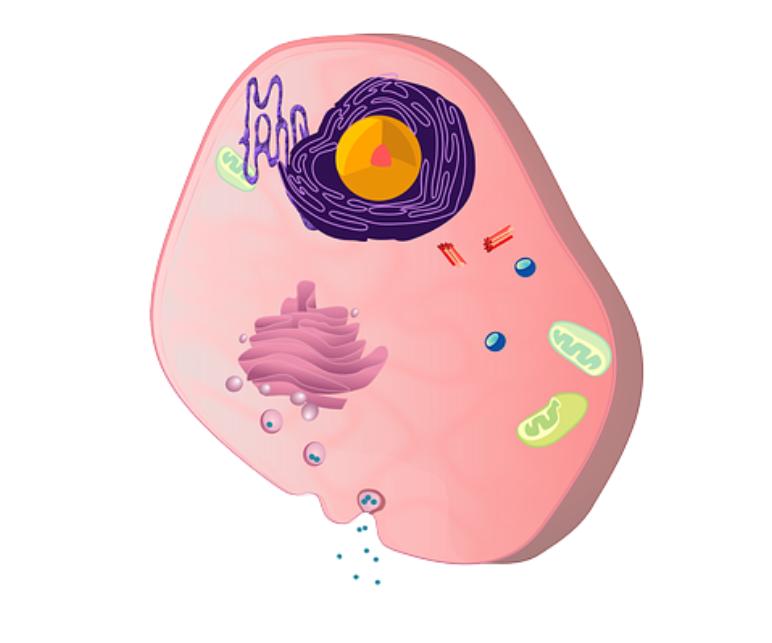
Introduction to Cytoplasm The cytoplasm is a fundamental component of cellular structure, serving as a gel-like matrix that exists between the cell membrane and the nucleus. This semi-fluid substance is not merely a passive filler; rather, it plays a crucial role in maintaining the cell’s integrity and functionality. The cytoplasm contains various components, including organelles, enzymes, and other molecules essential for cellular activities. It is within this environment that numerous biochemical reactions occur, facilitating essential processes such as energy production, protein synthesis, and metabolic pathways. In the cytoplasm, organelles such as mitochondria, endoplasmic reticulum, and Golgi apparatus are embedded, each performing specific functions vital for the cell’s survival. For instance, mitochondria are responsible for ATP production through cellular respiration, while the endoplasmic reticulum and Golgi apparatus are key players in the synthesis and transport of proteins and lipids. The cytoplasm thus acts as an amphora, harboring these cell organelles, allowing them to work in concert to sustain life processes. The gel-like nature of the cytoplasm not only supports the structure of organelles but also provides the medium in which cytoplasmic streaming occurs, facilitating the movement of nutrients, organelles, and wastes throughout the cell. This dynamic environment is essential for maintaining homeostasis, as it enables cells to respond promptly to internal and external stimuli. By serving as a site for metabolic reactions and housing critical cellular machinery, the cytoplasm is indispensable to cellular life. Understanding the intricate functions of the cytoplasm and its organelles is crucial for unraveling the complexities of cell biology and the overall mechanisms governing life at the cellular level. The Importance of Cell Organelles Cell organelles are specialized structures within cells that perform distinct functions essential for cellular operation and maintenance. These compartments work in concert to facilitate various biochemical processes that are vital for life. Organelles such as the nucleus, mitochondria, endoplasmic reticulum, and Golgi apparatus contribute to the organized architecture of cells, a characteristic feature that distinguishes eukaryotic cells from prokaryotic ones. This spatial segregation of functions ensures that cellular processes occur efficiently and effectively. The nucleus, often regarded as the control center of the cell, houses the genetic material (DNA) and is responsible for regulating gene expression and mediating cellular activities such as growth, metabolism, and reproduction. Mitochondria, commonly referred to as the powerhouse of the cell, generate adenosine triphosphate (ATP) through cellular respiration, providing energy required for various cellular tasks. Furthermore, the endoplasmic reticulum functions as a site for protein and lipid synthesis, while the Golgi apparatus is involved in modifying, sorting, and packaging these biomolecules for transportation to their respective destinations. Furthermore, each of these organelles plays a crucial role in maintaining cellular health and function. They contribute to processes such as detoxification, nutrient storage, and waste management, thereby ensuring that the cell remains in a stable and functional state. When any of these structures are compromised, it can lead to dysfunction within the cell, ultimately impacting the overall health of the organism. In essence, cell organelles embody the intricate and organized nature of the cytoplasm, functioning in a coordinated manner to sustain life at the cellular level. Their collective impact underscores their importance in supporting the fundamental processes necessary for cellular and, by extension, organismal health. Overview of Major Cell Organelles The structure and function of cells are intricately linked to their organelles, which are specialized subunits that perform distinct tasks vital for cellular life. In any eukaryotic cell, the cytoplasm serves as the medium in which various organelles are suspended, each contributing to the overall functionality of the cell. One of the most critical organelles is the nucleus. Encased within its own membrane, the nucleus contains the cell’s genetic material, DNA. It orchestrates various cellular activities by regulating gene expression and, consequently, the synthesis of proteins. Mitochondria, often termed the “powerhouses” of cells, play a crucial role in energy production. These organelles convert nutrients into adenosine triphosphate (ATP) through cellular respiration, providing the energy required for various cellular processes. The endoplasmic reticulum (ER) is another significant organelle, divided into two types: rough and smooth. The rough ER, studded with ribosomes, is essential for protein synthesis and processing, while the smooth ER is involved in lipid synthesis and detoxification processes. The Golgi apparatus functions as the cell’s packaging and distribution center. It modifies, sorts, and packages proteins and lipids for secretion or for use within the cell, thereby playing a pivotal role in protein trafficking. Lysosomes, often referred to as the cell’s waste disposal system, contain digestive enzymes that break down macromolecules, old cell parts, and microorganisms, recycling cellular materials in the process. Lastly, ribosomes are essential for protein synthesis. These small organelles can either be found floating freely in the cytoplasm or attached to the rough ER, translating messenger RNA into polypeptide chains, which eventually fold into functional proteins. Understanding these organelles and their functions provides critical insight into the complex machinery within the cytoplasm that enables cells to thrive and function appropriately. The Role of Mitochondria as the Powerhouse Mitochondria are often referred to as the powerhouse of the cell due to their critical function inenergy production. These organelles are vital components found within the cytoplasm of eukaryotic cells, where they facilitate the conversion of biochemical energy into adenosine triphosphate (ATP). This process, known as cellular respiration, is essential for maintaining cellular functions that require energy, such as growth, division, and metabolic activities. The primary function of mitochondria involves a series of enzymatic reactions that occur within their inner membrane, where ATP synthesis takes place. Mitochondria utilize nutrients derived from food, particularly glucose and fatty acids, transforming them into ATP through oxidative phosphorylation. This process showcases how mitochondria serve not only as energy producers but also as regulators of metabolic pathways that govern overall energy balance within the cell. The efficiency of ATP production is critical, as it enables cells to perform necessary tasks and respond to various physiological demands. Furthermore, mitochondria contribute significantly to the control of apoptosis, or programmed cell death, which is vital for maintaining
Understanding the Structure of a Cell: Components and Functions
Introduction to Cell Structure Cells are recognized as the fundamental units of life, serving as the basic building blocks for all living organisms. Each cell functions not only as a structural entity but also as a vital contributor to the overall biological functions necessary for the survival and propagation of life. Understanding the structure of a cell is paramount, as it lays the groundwork for comprehending more complex biological systems and processes. The distinction between prokaryotic and eukaryotic cells is particularly important, as it highlights the diversity of cellular organization and functionality across different life forms. Prokaryotic cells, which include bacteria and archaea, are characterized by their simplicity. They lack a defined nucleus and membrane-bound organelles, featuring a more primitive organization. The structure of a prokaryotic cell typically includes a single circular DNA molecule found in the nucleoid region, ribosomes, and a surrounding cell membrane often encased in a rigid cell wall. This simplicity enables prokaryotes to thrive in a multitude of environments, making them some of the most resilient organisms on Earth. In contrast, eukaryotic cells—found in plants, animals, fungi, and protists—exhibit a more complex structure. They contain a nucleus that houses the cell’s genetic material and various membrane-bound organelles such as mitochondria, endoplasmic reticulum, and Golgi apparatus. This advanced organization allows eukaryotic cells to perform specialized functions, resulting in the formation of multicellular organisms with diverse biological roles. The differences in the structure of a cell between prokaryotic and eukaryotic organisms underscore their evolutionary significance and adaptability. This blog post will further explore the components of cells, detailing their functions and contributions to the overall dynamics of life. By enhancing our understanding of cell structure, we can gain insight into the biological complexities that underpin the cellular machinery. This foundational knowledge is crucial for fields ranging from genetics to medical sciences. The Cell Membrane: Gateway of the Cell The cell membrane serves as a critical barrier that separates the internal components of the cell from the external environment. Its primary structure consists of a phospholipid bilayer, which is composed of two layers of phospholipids. Each phospholipid contains a hydrophilic (water-attracting) “head” and two hydrophobic (water-repelling) “tails.” This arrangement creates a semi-permeable membrane that allows certain substances to pass freely while restricting others, thus playing an essential role in maintaining the structure of a cell and its internal environment. Integral and peripheral membrane proteins are also vital components of the cell membrane. Integral proteins extend across the bilayer and often function as channels or transporters, facilitating the movement of ions and molecules into and out of the cell. Peripheral proteins, on the other hand, are attached to the exterior or interior surfaces of the membrane and provide structural support. These proteins participate in various cellular functions, including communication and signaling pathways. The concept of the fluid mosaic model further elucidates the dynamic nature of the cell membrane. This model describes the cell membrane as a flexible and ever-changing mosaic of different lipids and proteins, which can move laterally within the layer. This fluidity is essential as it allows the membrane to self-heal and adapt to changes in the environment. Additionally, the selective permeability of the membrane is crucial for regulating the movement of substances. By controlling what enters and exits, the cell membrane plays a pivotal role in maintaining the homeostasis of the cell, thereby ensuring its proper function and overall survival. Cytoplasm: The Cell’s Own Fluid The cytoplasm is a vital component of the cell, providing the medium in which numerous cellular processes take place. It is defined as the aqueous solution that lies between the cell membrane and the nucleus, encompassing various structures and materials essential for cellular function. The cytoplasm consists primarily of cytosol, a gelatinous fluid, along with various organelles suspended within it. The cytosol serves as a site for metabolic reactions, ensuring that the biochemical activities critical for life occur efficiently. Organelles such as mitochondria, the endoplasmic reticulum, and Golgi apparatus make up a significant portion of the cytoplasm, each playing specific roles in cellular operations. For example, mitochondria are known as the powerhouses of the cell, converting nutrients into energy through the process of cellular respiration. The endoplasmic reticulum assists in the synthesis of proteins and lipids, while the Golgi apparatus processes and packages these molecules for use within or outside of the cell. This dynamic environment contributes to the overall functionality of the cell, illustrating the intricate structure of a cell. Moreover, the cytoplasm plays a critical role in the movement of materials within the cell. Various substances, including ions and signaling molecules, can transit freely throughout the cytoplasm, facilitating essential communication and transport processes. Additionally, the cytoskeleton, a network of protein filaments and tubules, provides structural support to the cytoplasm, helping maintain the overall shape and organization of the cell. By anchoring organelles in place and aiding in cell division, the cytoskeleton is integral to the cytoplasm’s functional capacity. In summary, the cytoplasm not only serves as a medium for cellular processes but is also essential for maintaining the integrity and organization of the structure of a cell. Nucleus: The Control Center of the Cell The nucleus is a vital component of the cell, often referred to as the control center due to its crucial role in managing cellular activities. Encased by a double membrane known as the nuclear envelope, the nucleus serves to protect and contain the genetic material of the cell, which is organized into chromatin. This envelope contains multiple pores that regulate the passage of molecules in and out, ensuring that only specific materials can enter or exit, thus maintaining the integrity of the cell’s genetic information. Within the nucleus lies the nucleolus, a dense structure responsible for the production of ribosomal RNA (rRNA). The nucleolus plays a significant role in the synthesis of ribosomes, which are essential for protein synthesis in the cytoplasm. As proteins are fundamental to various cellular functions, the nucleolus significantly contributes to the overall functionality of the cell. The activity of the
Understanding the Basics of Life: Cells, Tissues, Organs, and Body Systems
Introduction to the Building Blocks of Life Cells, tissues, organs, and body systems are the fundamental components that constitute living organisms. Understanding these elements is crucial to grasping the complexities of biological life. At the most basic level, cells serve as the primary building blocks of life. They are the smallest units capable of sustaining the processes necessary for life, such as metabolism, growth, and reproduction. A single organism can consist of trillions of cells, each performing specialized functions that contribute to the overall operation of the body. Cells group together to form tissues, which are collections of similar cells working collaboratively to carry out specific functions. There are four main types of tissues in the human body: epithelial, connective, muscle, and nervous tissue. Each type plays a unique role in maintaining homeostasis and facilitating bodily functions. For instance, muscle tissue is responsible for movement, while nervous tissue transmits signals throughout the body, coordinating responses and reactions to environmental stimuli. Groups of tissues then combine to form organs, which are complex structures that perform dedicated tasks within the body. Examples of organs include the heart, lungs, and liver, each designed to execute specific functions essential for maintaining health and functionality. The collaboration among various tissues within an organ allows for a greater efficiency in completing these tasks. Finally, organs group together to create body systems, such as the cardiovascular system or the respiratory system. These systems are intricately interconnected, and their harmonious functioning is vital for the organism’s survival and adaptation to its environment. Understanding how these various levels of organization relate to one another illuminates the interdependent nature of life and underscores the significance of each component in the grand tapestry of biological existence. The Cell: The Fundamental Unit of Life Cells are recognized as the fundamental units of life, acting as the building blocks for all living organisms. They exhibit a remarkable diversity in structure and function, allowing them to perform a myriad of tasks essential for the maintenance and development of body systems. Cells are generally categorized into two primary types: prokaryotic and eukaryotic. Prokaryotic cells, such as bacteria, are characterized by their simplicity. They lack a nucleus and membrane-bound organelles, containing instead a singular circular DNA molecule. In contrast, eukaryotic cells, which are found in animals, plants, fungi, and protists, possess a well-defined nucleus and complex organelles like mitochondria and endoplasmic reticulum, facilitating more intricate cellular processes. The various organelles within eukaryotic cells each play distinct roles that are vital to the organism’s overall function. For example, mitochondria are known as the powerhouse of the cell, generating adenosine triphosphate (ATP) through the process of cellular respiration. The ribosomes are essential for protein synthesis, which is crucial for the repair and growth of body systems. Furthermore, the endoplasmic reticulum assists in the folding and modification of proteins, while the Golgi apparatus is vital for packaging and distributing these proteins to their intended destinations. Cellular processes such as metabolism, replication, and communication further emphasize the significance of cells in living organisms. Metabolism encompasses all biochemical reactions that occur within the cell, enabling the conversion of nutrients into energy. Replication is critical for growth and tissue repair, ensuring that new cells are produced to replace damaged or dead ones. Additionally, cellular communication through signaling pathways allows cells to coordinate actions and maintain homeostasis within body systems. Thus, understanding the structure and functions of cells is fundamental to comprehending the intricate interconnectedness of life at the cellular level. Tissues: The Grouping of Similar Cells Tissues serve as the fundamental building blocks of more complex structures within organisms, establishing a critical intermediary layer between individual cells and entire body systems. These aggregates of similar cells perform specific functions, allowing for greater specialization and efficiency within the organism. There are four primary types of tissues, each contributing uniquely to the functions of organs and ultimately impacting the overall operation of body systems. The first type is epithelial tissue, characterized by its role in covering surfaces and lining cavities. This tissue type acts as both a barrier and a facilitator for absorption and secretion processes. Epithelial tissue is highly regenerative and varies in structure, adapting to its specific function in skin, glands, and the lining of internal organs. Next, connective tissue plays an essential role in support and transportation within the body. It comprises a diverse range of tissues, including bone, blood, adipose (fat) tissue, and cartilage. Connective tissue is vital for binding other tissues together, supporting body structures, and facilitating the transportation of nutrients and waste products through its medium, the blood. Muscle tissue, another critical tissue type, is responsible for movement. There are three subtypes: skeletal muscle, which enables voluntary movement; cardiac muscle, which makes up the heart; and smooth muscle, present in various organs and responsible for involuntary movements, such as digestion. Each subtype has distinct characteristics tailored to its specific functions within the body systems. Lastly, nervous tissue is pivotal in controlling and coordinating activities throughout the body. Com comprised of neurons and glial cells, nervous tissue facilitates the transmission of signals, allowing for communication between different body systems. Overall, understanding these tissue types presents a clearer picture of the complex integration necessary for sustaining life, as they each play specialized roles in the organization and functionality of larger biological structures. Organs: Complex Structures with Specific Functions Organs are vital components of the human body, serving as complex structures composed of two or more types of tissues working together to perform specific physiological functions. This intricate arrangement allows organs to accomplish tasks that singular tissues cannot, thereby contributing to the overall efficiency of the body systems. Each organ possesses a unique architecture that directly relates to its particular role in maintaining homeostasis and supporting survival. One of the most crucial organs is the heart, which is responsible for pumping blood throughout the body. The heart’s structure, consisting of muscular walls known as myocardium and a series of valves, enables it to function effectively as a pump. The rhythmic
The Heart of the Cell: Nucleus and its Vital Functions Decoded
Cell nucleus: structure and function Nucleus: Think about your favorite superhero. Regular person by day, vigilante in spandex, and a cape by night. Saving the world isn’t an easy job, so most superheroes have support. Enter the guy behind the computer, the allknowing tech whiz that helps the hero succeed, hacking blueprints, giving directions during surveillance. The guy behind the computer does it all. And we can think of the cell nucleus like the guy behind the computer, making calls, sending directions, and overall being in charge of the superhero cell, despite always getting less credit than the superhero themselves. The nucleus is a multifunctional organelle that is found in eukaryotes. Generally, eukaryotes have only one nucleus, but this isn’t always the case. Certain eukaryotic cells, like red blood cells and prokaryotes, like bacteria and archaea, don’t have nuclei either. These are called enucleate cells. Other cells, like those of slime mold, have two or more nuclei and are called multinucleate cells. The nucleus, if there is one, makes up approximately 10% of the cell’s volume and has an incredibly important purpose in the cell. The cell nucleus functions as the information processing center of the cell, storing genetic material and organizing all of the cell’s activities, from cell division to synthesizing proteins. The nucleus is especially important for protein synthesis. Oh, yeah. It’s the site of transcription, where messenger rna, or mrna, is produced. The nucleus may appear to be one lone blob of an organelle, but in fact, it’s made of many different structures that contribute to the overall function of the nucleus. We’re talking about the nuclear membrane, the nucleoplasm, chromatin, and chromosomes, and the nucleolus. Now, let’s see what kind of programs the guy behind a computer nucleus runs in the superhero cell. The first important structure making up the nucleus is the nuclear envelope. The nuclear envelope is like your computer’s antivirus. It keeps everything where it should be and screens for everything before allowing it on your computer, or in this case, the nucleus. You can’t be a superhero sidekick with a virus on your computer, can you? The nuclear envelope consists of two phospholipid bilayers that act as a wall for the nucleus, keeping all of the contents in place. This protective envelope is actually composed of two membrane layers, an inner nuclear membrane, or INM, facing inside towards the inside of the nucleus, and an outer nuclear membrane, or ONM, facing away from the nucleus towards the cytoplasm of the cell. The ONM also connects directly to the rough endoplasmic reticulum and is covered in ribosomes. There is also a fluid filled space between the INM and the ONM called the perinuclear space separating the two membrane layers. Although the nuclear envelope acts as a wall to keep the nucleus in shape, it also has another important function, selectively allowing things into the nucleus. Small holes in the envelope, called nuclear pores, act as a safe passageway for different molecules, like proteins and rna. The pores are like a bodyguard. Unless you pass the check, you’re not allowed entry. And this keeps the nucleus safe and allows it to keep doing its job without issue. Next up, let’s talk Internet. The guy behind the computer can’t function without Internet, right? That magical, hidden network that can get you anywhere you need to go. Much like the nucleoplasm of the nucleus, the nucleoplasm, composed of water, salts, enzymes, and other organic molecules, helps the nucleus in a number of ways. First, it acts as a cushion for the nucleus, protecting all of the contents within the organelle, and also helps the nucleus keep its shape. But more importantly, the nucleoplasm acts as a transportation network for the nucleus, much like the Internet of the cell. Imagine you’re helping a superhero on a mission and search up bad guys near me, and you immediately get the perfect website back on your browser. Because of your super fast Internet. The nucleoplasm works in sort of the same way. Say the nucleus needs something like an enzyme, for example. The enzyme travels through the cell, right through the nuclear pores, into the nucleus. It’s like cellular level Internet, but cooler. Now, let’s think about how a computer actually works. If you’re a superhero’s right hand man, you have to have a top notch, state of the art computer, and you can’t run a computer without code. The code on your computer dictates how every single thing on it runs, so it’s really important. Chromosomes are like usb sticks for computers, but instead, they store the blueprint to our bodies. They store and share code in the form of DNA. Chromosomes have all our bodies information from howto manuals on cell growth to development and reproduction 101. Chromosomes live in the nucleus, but in a resting form when the cell is not in active reproduction stage, chromosomes exist in long, free floating strands of dna and protein called chromatin. And chromatin can be classified even further into heterochromatin, the inactive form of chromatin, and euchromatin, the looser, more delicate form of chromatin. Chromatin in all its forms, comes together during cell division to form chromosomes. The nucleolus is the final feature we’ll talk about, and it actually directly relates to chromosomes and chromatin. Think of the nucleolus like a temporary line of code that your guy behind the computer uses to save the day. It’s put on your computer to finish one job, and once it’s done, the code disappears until you need it again. The nucleolus is a membraneless feature that spends its time floating around in the nucleoplasm and also plays a big role in protein synthesis. The nucleolus, which stores proteins and rna inside, has features called nucleolar organizers that are integral for creating ribosomes during the process of protein synthesis. Ribosomes are formed during protein synthesis, and then when the cell is ready to divide, the nucleolus disappears. Talk about not taking
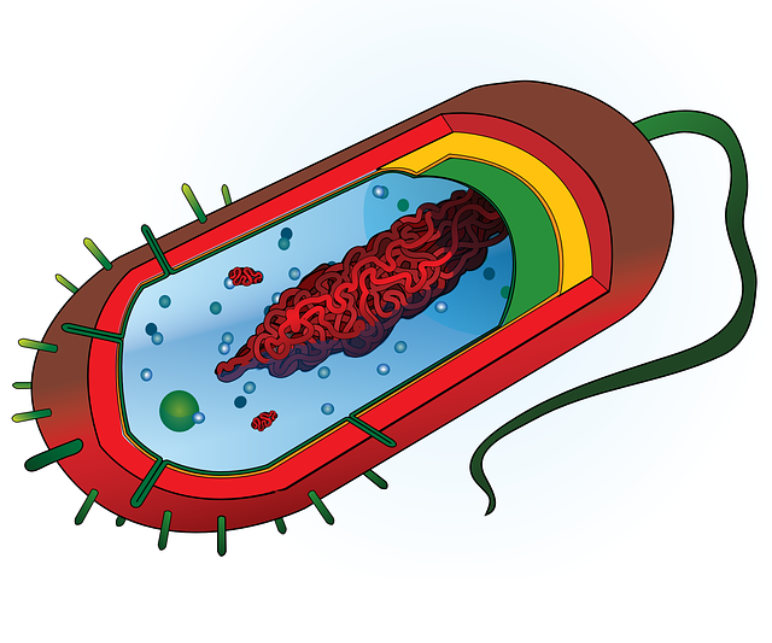
Navigating the Intricacies of the Cell Membrane: Key Insights Unraveled
Cell membrane introduction Cell membrane: When you go swimming or showering, have you ever wondered, why don’t your cells in your body fill up with water? Or why don’t the substances in your cells leak into the pool? Well, the reason is because we actually have a very important structure that prevents this from happening. This is what we call the cell membrane. The cell membrane is what’s on the outside of a cell. So if we have a very basic picture of cell here with a little nucleus on the inside, this pink outside layer is what we call the cell membrane. The cell membrane can protect our cell from the outside environment, and it can determine what can enter and leave our cell. This is a property that we call semipermeability. It is somewhat permeable. Some things can enter while other things cannot. So since this is such an important part of our cell, in fact, it’s one of the reasons why we can actually survive in the world. So what actually makes up this structure? Well, the main building block of a cell membrane are what we call phospholipids. There are other substances that make up our cell membrane, but the most important building block are phospholipids. And so phospholipids have three major components. The first is a phosphate head group. The second is a glycerol backbone. And the third are two fatty acid tails. So the way we draw this is we give the phosphate head group, kind of like a head. It’s a circle, and two fatty acid tails hang down from it, kind of like strings on a balloon. So the way I kind of remember this is a phospholipid, looks like a balloon, but with two strings. Now, where’s our glycerol backbone? Well, our glycerol backbone is actually what it sounds like. It’s what holds the fatty acid tails to our phosphate head. It’s the backbone of this molecule. So it’s usually not drawn in the picture, but just remember that it’s there, and it holds our two fatty acid tails to our phosphate head group. So this structure actually has a very interesting property up here. This head group is actually hydrophilic, or polar. So hydrophilic means that it’s water loving. This phosphate head group will do whatever it can to get to water. It loves water, but these fatty acid tails, because they’re very, very long carbon chains, this is hydrophobic. I remember hydrophobic because a phobic or phobia is fearing. So hydro is water. So it’s water fury. These two fatty acids will do whatever it can to get away from water. A molecule that has both of these things together is what we call an amphipathic molecule. It means that the molecule has a hydrophobic section and a hydrophilic section. So in water, what would this do? So let’s say we put a ton of these molecules in water. Once in water, the hydrophobic heads want to be as close to water as possible, but the tails don’t. So what will happen is these phosphate groups are going to cluster together while the tails try to shield themselves away from water. But since this is a substance that’s in water, water is going to be down here, too. So this will actually form a really unique structure because the fatty acid tails are going to start grouping like this, and the phospholipids are going to be kind of upside down so that the phosphate head groups can be close to water, while this inside section can be hydrophobic and away from water. This is what we call a phospholipid bilayer. This is the basic structure of a cell membrane. And like we mentioned, this inside section is going to be hydrophobic. So now we have this structure that looks kind of like this. We call this our phospholipid bilayer or lipid bilayer for short. But doesn’t this section here also interact with water? How can this structure be like this if this section here still touches water? And we know that the fatty acid tails don’t want to touch water. Well, in a cell in real life, what actually happens is we end up with the structure that forms a circle like this. Now, this is a fairly crudely drawn picture. In a cell, this wall is actually pretty thin compared to the entire body. So you’ll notice that this water here doesn’t become a problem anymore, because in our actual cells, water can be on the outside and on the inside. And no matter where this cell membrane touches water, it’s always going to be the phosphate head groups that are hydrophilic, that are seeking out water. And inside the cell membrane, we actually have a hydrophobic section. So, moving on to a new picture, we mentioned before that the cell membrane is semipermeable, and we’re going to explore that a little bit more. So I’ve taken the liberty of pre drawing a very long picture of a cell membrane. So, as we mentioned, the cell membrane is actually a sphere that surrounds our cell. For the sake of this lesson, we’re going to draw it out in a straight line, and we’re going to say that this can be the outside environment or the extracellular, and this can be the inside or the intracellular. So you’ll notice that the cell membrane has these phospholipids packed really closely together. So usually small molecules are what can pass through the cell. Another property of the cell membrane that we’ve discussed is that this inside section right here is really hydrophobic. So generally, small nonpolar molecules can pass through our cell membrane. This is what we call passive diffusion. So what is a good example of a small nonpolar molecule? Well, the most common type of small nonpolar molecule tend to be gases, things like o two, for example, or co2. These are things that surround us every single
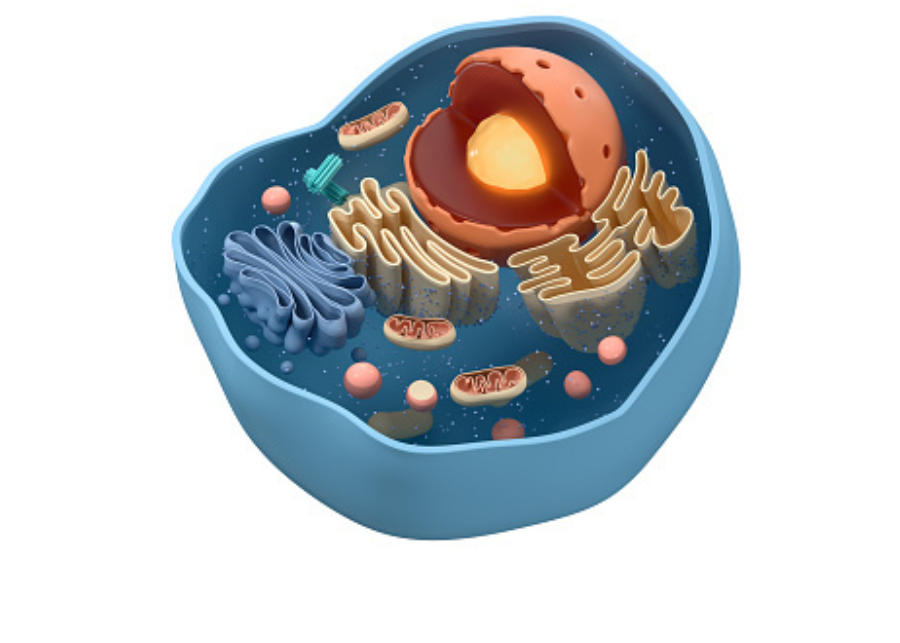
Unlocking the Secrets of Cells: A Journey into Cellular Biology
Cells Structure and Functions All living organisms are composed of cells. Cells are responsible for all anatomical and physiological features of all body systems. Different cell types can vary greatly in shape and size, but they all have a common structure and similar components. A typical cell cell is enclosed in a plasma membrane and contains a nucleus and a cytoplasm. The plasma membrane serves as the cell’s boundary, controlling the traffic of substances in and out of the cell. It is also the site of communication between the cell and its environment. The membrane consists mainly of two layers of phospholipids with their hydrophilic heads, the phosphate groups facing the aqueous environments inside and outside the cell, and their hydrophobic fatty acid tails facing in together. Other membrane lipids include cholesterol, which is essential to membrane structure and fluidity, and glycolipids, which maintain membrane stability and facilitate cell to cell interactions. The lipid membrane is dotted with membrane proteins, of which there are two types, integral or transmembrane proteins, which span across the membrane, some passing through multiple times. Some transmembrane proteins have a small carbohydrate chain on the outside of the cell and peripheral proteins, which attach to the membrane on the inside. A peripheral protein typically functions together with an integral protein. Membrane proteins fulfill a variety of functions. As receptors or receptorassociated proteins. They receive messages from outside the cell. For example, a nonsteroid hormone must bind to a membrane receptor and act via several other membrane proteins to activate a cellular response. Each receptor is specific to a certain molecule. As ion channels or transport proteins, they help move charged particles and large, uncharged polar molecules across the cell membrane. As adhesion molecules, they help cells adhere to each other and to the extracellular matrix. As enzymes, they catalyze reactions that are required outside the cell but in the vicinity of the cell membrane. Transmembrane glycoproteins also serve as surface antigens, determining the cell’s identity on top of the cell membrane. Some cells have surface extensions that carry out specialized functions. Examples include microvilli that increase the surface area in the small intestine cilia that move mucus in the respiratory tract, and flagella that are responsible for the movements of sperm cells. The nucleus contains genetic material, the DNA, and is where DNA replication and transcription, the major step of gene expression, take place. Most cells have one nucleus, with the exception of red blood cells, which have none, and some other cells that have multiple nuclei. The nuclear envelope surrounding the nucleus consists of two membranes, inner and outer, each of which is a phospholipid bilayer. The envelope is dotted with nuclear pores protein complexes that provide controlled passage between the nucleus and cytoplasm chromosomes are strands of DNA wrapped around proteins. Under a light microscope. Chromosomes are only visible during cell division when they are highly condensed. Instead, the most prominent feature of the nucleus is the nucleolus, the area around the clusters of ribosomal rna genes. This is where ribosomal rnas are made and where ribosomes are assembled. Ribosome then move to the cytoplasm to fulfill their function in protein synthesis. The cytoplasm includes a gel like liquid called cytosol, various organelles and cytoskeleton, the endoplasmic reticulum, ER, Golgi apparatus, and vesicles constitute the intracellular membrane system. The ER is a network of connected flattened sacs called cisterni. Its membrane is continuous with the outer nuclear membrane. Part of the ER appears rough, as it is covered with ribosomes. This is where the synthesis of secretary and transmembrane proteins take place. These proteins have a signal sequence within their amino terminus, which, as soon as it emerges from the ribosome, targets the rna ribosome complex to the ER membrane, where translation continues. The emergent polypeptide enters the ER membrane as it is being translated. Transmembrane proteins, identified by the presence of a hydrophobic stretch, stay in ER membranes while secretary proteins are released into the ER. Lumen, the smooth part of the ER, synthesizes lipids and lipid components of cell membranes. As lipids are produced, they are inserted into the ER membrane. Membrane proteins, lipids and secretary proteins are then packaged into vesicles to be transported to the Golgi, where proteins undergo post translational modifications. Vesicles pinch off from ER membranes, travel to golgi apparatus, fuse with golgi membranes, and release their content. The golgi is a stack of separated cisterni. Each contains a set of enzymes responsible for a certain step in protein maturation. Similar vesicles transport lipids and proteins from one cisterna to another and ultimately to their destinations. The plasma membrane lysosomes or storage vesicles the destination of a protein is typically determined by a signal sequence acting as an address tag within the protein. The ER is also a major site for metabolism and storage of calcium, whose release is a trigger for many cellular processes. Lysosomes are vesicles containing hydrolases that break down macromolecules into their building units, which can then be recycled. The enzymes are activated by the acidic environment within lysosomes. In white blood cells, lysosomes digest phagocytized bacteria and play a role in immune response. Mitochondria are best known as the cell’s powerhouses. This is where energy is extracted from food compounds and stored in energy rich molecules. A mitochondrion has two membranes. The inner membrane has multiple folds called christi. Two of the three main steps of cellular respiration occur in the mitochondria, citric acid cycle in the matrix and oxidative phosphorylation on the christi. Cytoskeleton is a network of protein filaments that fulfill a variety of functions. There are three types of filaments, microfilaments, intermediate filaments and microtubules. Microfilaments are made of the protein actin. They enable muscle contraction, provide support for microvilli, produce cell movements and play a role in cell division. Intermediate filaments are made of different proteins in different cells. Their roles are mostly supportive. Microtubules are large tubes of 13 protofilaments. Each is a long chain of

Tackling1 Tendinitis: Causes, Symptoms, and Proven Treatment Options
Tendinitis: Causes, Symptoms, and Proven Treatment Options Imagine getting a complete joint replacement without surgery. Believe it or not, this is the new reality for THOUSANDS of former arthritis sufferers… Triceps Tendinitis – Tendinopathy – Elbow Rehab Tendinitis a threeheaded muscle, hence the prefix tri that’s visible on the back of the arm. The medial and lateral heads originate on the humerus, while the long head actually attaches up at the shoulder blade. All three muscles insert on the electron of the ulna via a common tendon and act to extend or straighten the elbow. The long head also extends and stabilizes the shoulder due to its attachment up at the scapula. (Tendinitis) Although the diagnosis is often referred to as triceps tendonitis, triceps tendinopathy is a better descriptor for this condition because inflammation likely isn’t the primary driving factor. Instead, you can just think about it as an overload of the tendon, meaning that you probably just did a little bit more than what it could handle over a certain period of time. This is not to be confused with golfer’s elbow on the inside of the elbow, tennis elbow on the outside of the elbow, or anything to do with instability, trauma, significant swelling or numbness and tingling. (Tendinitis) I would expect fairly localized pain in the back of the elbow that worsens with increasing demands on the triceps. For example, I would expect a 40 pound dumbbell skull crusher to cause more issues than a 20 pound dumbbell skull crusher because it’s a greater load. Similarly, a very fast repetition would likely present more challenges than a very slow repetition because tendons are also affected by the rate or speed of loading, and triceps tendinopathy does not mean that you have to discontinue all training. (Tendinitis) Instead, you have to find a level of training that allows you to have tolerable symptoms somewhere around a three out of ten pain or less while making objective progress in your lifts. Symptoms for tendinopathies can often take three or more months to resolve, so the focus should be on improving function over the long term. The most important concept to understand for any teninopathy is load management. (Tendinitis) Essentially, you’re attempting to achieve a Goldilocks principal level of load, not too much where you’re exacerbating symptoms and prolonging recovery, but not too little where you’re deconditioning and not driving. Beneficial adaptations start with the big picture. (Tendinitis) Has your training changed significantly in the past three months? That may have contributed to symptoms? Did you alter frequency, volume, and or intensity? Analyze your current program to see if there’s any reasonable modifications that you can make based on any significant fluctuations in these variables that might have occurred over the past few weeks or months. (Tendinitis) The next things you’re going to look at are exercise selection, technique, and tempo as they relate to your compound multijoint exercises, assuming they’re part of your normal routine. The three main pushing movements that target the triceps include a vertical press where your arms end up overhead, a horizontal press where your arms end up straight out in front of you, and a dip where your arms end up down at your side. (Tendinitis) The easiest thing to start with here is finding exercise variations that are most comfortable for you. For example, an overhead press can be done with a barbell. Dumbbells, kettlebells, or unilaterally. Horizontal pressing can include any type of pushup, bench press, dumbbell press, machine press, or even incline options. Now, if your symptoms are exactly the same regardless of the movement, you can try to modify your technique to reduce the demand on your triceps. (Tendinitis) For example, a wider pushup or bench press will likely challenge the triceps less than a very narrow pushup or bench press. For an overhead press, you can shorten the range of motion. Bringing the bar all the way down where your elbows are maximally flexed will place more load on the triceps than if you limit the movement to about 90 degrees of elbow flexion. Finally, you can alter the tempo. A lot of tendinopathy protocols implement a three second eccentric, 1 second pause, and three second concentric. (Tendinitis) These aren’t inherently special numbers, but decreasing the speed of the movements can be helpful, as mentioned earlier. Also, it’ll force you to use a lighter load, and the consistent tempo can help with maintaining technique and tracking. Objective progress next up, examining single joint isolation exercises. There are four main types for the triceps elbow extension with the shoulder in maximal flexion, elbow extension with the shoulder flexed to 90 degrees, elbow extension with the shoulder in neutral, and elbow extension with the shoulder extended. (Tendinitis) While the multijoint exercises are optional, depending on your goals, picking one to two of the isolation exercises will be necessary to ensure appropriate loading of the triceps. Just like the compound exercises, though, you can try to find variations that work best for you. I’d try to implement a fairly strict, consistent technique with that same tempo initially for one to two exercises. For example, a dumbbell skull crusher can be done with shoulders maintained at 90 degrees of flexion, no shoulder, internal or external rotation, bringing the weight to 90 degrees of elbow flexion and then straightening the arms. A similar technique could be used for a standing triceps press down with a rope bar or band. I’d highly recommend executing these one arm at a time. These would be done for three to five sets of six to twelve repetitions, two to three times per week at a three out of ten pain or less at an intensity that is close to failure. I’ll give a sample routine at the end of the video. Lastly, accessory exercises. There’s no research to support this for tricep tendinopathy, but other elbow issues benefit from strengthening of the shoulder. (Tendinitis) Therefore, I would